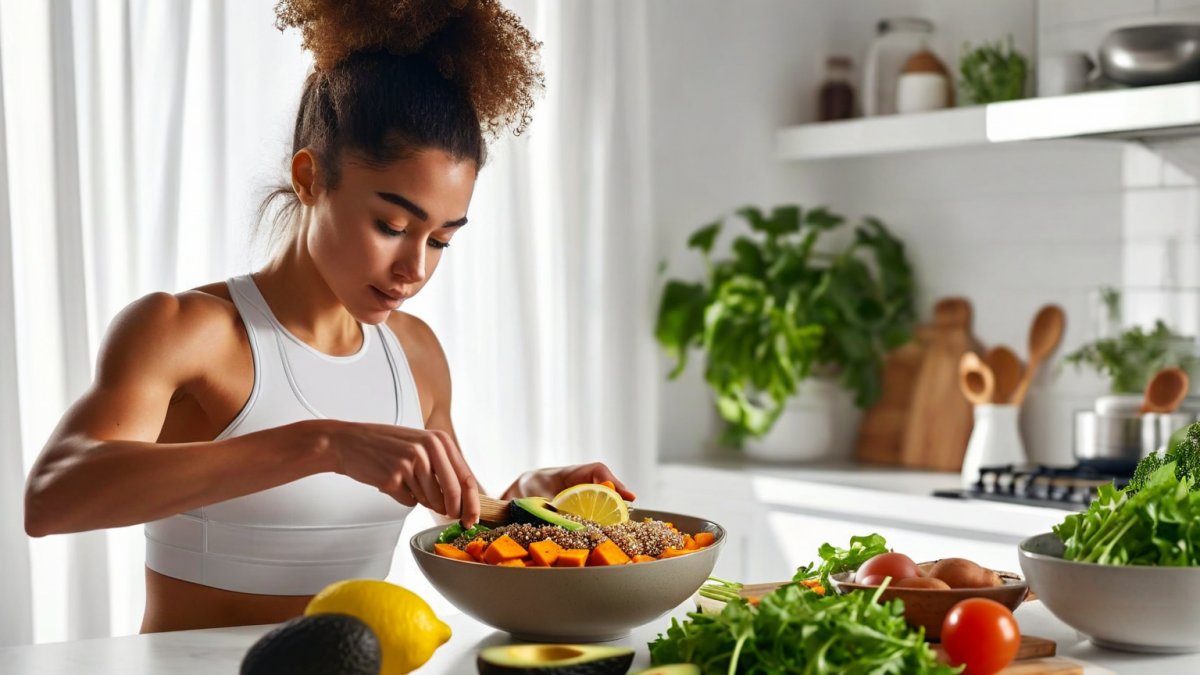
A Patient's Story: From Fatigue to Firepower
Last year, I had a patient who was a serious triathlete. Let's call her Jenn. She came to me frustrated, saying she felt like she was "hitting a wall" during her training. Her energy levels were all over the place, and she was struggling with recovery.
After looking at her diet, I noticed she was relying heavily on refined carbs like white pasta and energy bars. I suggested a simple switch: quinoa power bowls. The results? Pretty remarkable, actually.
Why Quinoa Outperforms Refined Carbs
So what's the deal with quinoa? It's not just another trendy grain. The science behind it is pretty compelling.
First off, quinoa is a complete protein. That means it contains all nine essential amino acids - the building blocks our bodies need for muscle repair and growth. It's especially rich in lysine and methionine, which are crucial for athletes.
But here's where it gets really interesting. Quinoa has a low glycemic index of 53. What does that mean for you? Steady energy release. No spikes, no crashes. Just consistent fuel for your workouts.
And let's not forget about fiber. A cup of cooked quinoa packs 5.2 grams of fiber. That's great for digestion and helps you feel full longer.
The Mineral Powerhouse
Now let's talk about minerals. This is where quinoa really shines. It's loaded with magnesium, iron, and potassium. Why does this matter for athletes?
- Magnesium: 118 mg per cup. It's crucial for muscle contraction and relaxation.
- Iron: 2.8 mg per cup. Essential for oxygen transport in the blood.
- Potassium: 563 mg per cup. Helps with electrolyte balance and muscle function.
Compare this to refined grains, which are often stripped of these nutrients. It's no contest, really.
Building the Perfect Quinoa Power Bowl
So, how do we turn this nutritional powerhouse into a meal that's going to fuel your workouts? Here's a basic template I use with my athlete clients:
- Start with 1.5 cups of cooked quinoa as your base. This gives you about 12 grams of protein and 60 grams of complex carbs.
- Add a generous handful of dark leafy greens like spinach or kale. These are packed with iron and folate.
- Throw in some colorful veggies - I like bell peppers for their vitamin C, which helps with iron absorption.
- Don't forget the healthy fats. Avocado, nuts, or seeds are great. They slow digestion and help with nutrient absorption.
- Finish with a lean protein source if you need extra recovery support.
Now let's look at some specific bowls for different training scenarios.
Pre-Workout Quinoa Power Bowl
For pre-workout fuel, you want a mix of quick-acting and sustained energy sources. Here's what I recommend:
- 1 cup cooked quinoa
- Half a sliced banana for quick-acting carbs
- A handful of berries for antioxidants
- A tablespoon of almond butter for some healthy fats
This combination provides a nice balance of immediate and long-term fuel without overloading your digestive system. Aim to eat this about 2-3 hours before your workout.
Post-Workout Recovery Bowl
After a tough session, your body needs replenishment. Here's my go-to recovery bowl: