Nutrition

Top Power Packed Superfood Alternatives That Transform Your Health Without Breaking the Bank

Master 8 budget-friendly superfood alternatives that deliver the same nutrition as expensive options. Boost your health without the premium price tag.

Published on December 5, 2025
Top Power Packed Superfood Alternatives That Transform Your Health Without Breaking the Bank

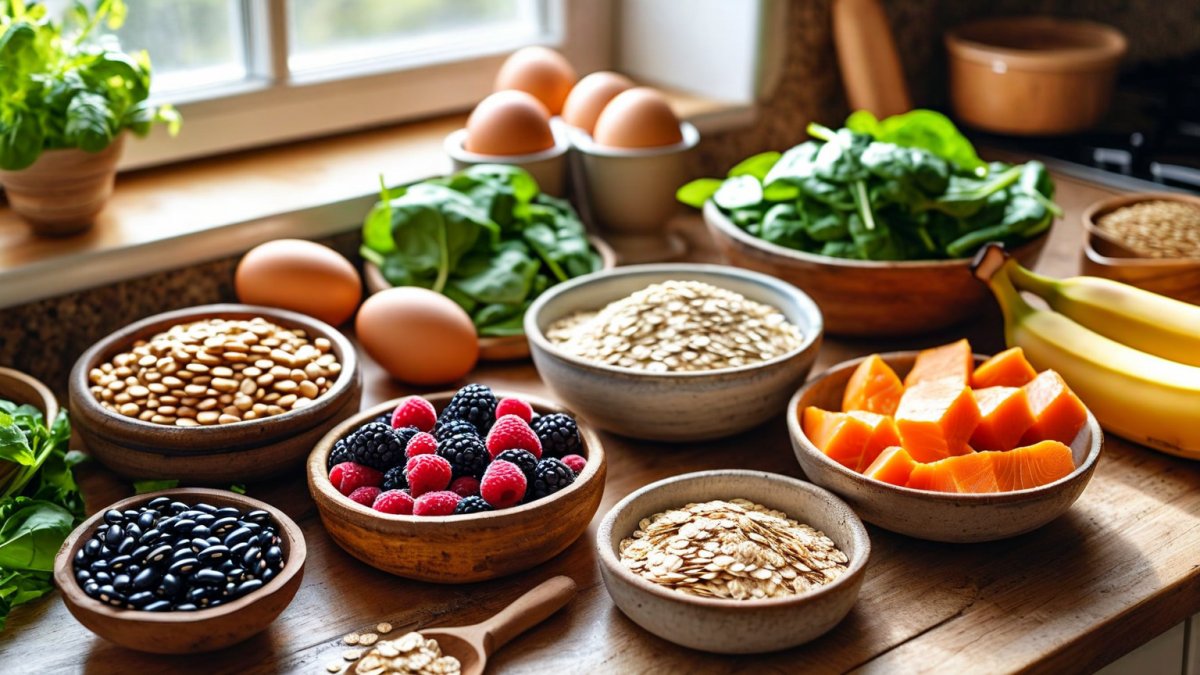
Your grocery bill doesn't need to skyrocket just because you want to eat healthier. While marketing campaigns convince us that exotic goji berries and $30 bottles of spirulina are essential for optimal health, the truth is that many common, affordable foods pack the same nutritional punch as their trendy counterparts. These superfood alternatives deliver identical benefits at a fraction of the cost, proving that good nutrition doesn't require a premium price tag.

The superfood industry has created an expensive myth that only rare, imported ingredients can transform your health. Meanwhile, your local grocery store is stocked with power packed alternatives that have been nourishing communities for generations. From antioxidant-rich blueberries that rival acai berries to protein-dense lentils that outperform quinoa, these accessible options make healthy eating sustainable for any budget.

Why Expensive Superfoods Aren't Always Superior

The term "superfood" is primarily a marketing construct designed to justify premium pricing on exotic ingredients. While foods like acai, goji berries, and spirulina do contain beneficial nutrients, they're not nutritionally superior to many common alternatives. In fact, studies consistently show that local, seasonal produce often contains higher nutrient levels due to shorter transport times and optimal harvesting conditions.

Many expensive superfoods lose nutritional value during processing, shipping, and storage. Freeze-dried acai powder, for example, can lose up to 40% of its antioxidant content during processing. Meanwhile, fresh blueberries from your local farmer's market retain their full nutritional profile and cost significantly less. The key is understanding that nutrient density, not price point, determines a food's health benefits.

  • Acai berries cost $15-25 per pound vs blueberries at $3-5 per pound
  • Quinoa averages $6-8 per pound vs lentils at $2-3 per pound
  • Chia seeds run $10-15 per pound vs flaxseeds at $3-5 per pound
  • Spirulina powder costs $25-40 per pound vs spinach at $2-4 per pound

Top Power Packed Alternatives to Expensive Superfoods

These affordable alternatives deliver comparable nutrition to their expensive counterparts while fitting comfortably into any grocery budget. Each option provides similar or superior nutrient profiles, making them smart swaps for health-conscious consumers.

Blueberries Instead of Acai Berries

Fresh or frozen blueberries contain higher levels of anthocyanins and vitamin C than most processed acai products. They're available year-round, significantly cheaper, and don't require special processing. A single cup provides 24% of your daily vitamin C needs and powerful antioxidants that support brain health and reduce inflammation.

Lentils Instead of Quinoa

Red, green, or black lentils offer more protein per serving than quinoa (18g vs 8g per cup cooked) while costing less than half the price. They're also higher in iron, folate, and fiber. Lentils cook faster than quinoa and work perfectly in salads, soups, and grain bowls.

Ground Flaxseed Instead of Chia Seeds

Flaxseeds provide more omega-3 fatty acids than chia seeds and cost significantly less. Two tablespoons of ground flaxseed deliver 3.2g of omega-3s compared to 2.5g in chia seeds. They also offer more lignans, which support hormone balance and heart health.

Fresh Spinach Instead of Spirulina Powder

A large handful of fresh spinach provides more bioavailable iron, folate, and vitamin K than expensive spirulina supplements. Spinach also contains nitrates that improve athletic performance and cardiovascular health. Use it in smoothies, salads, or sautéed as a side dish.

Creating Nutrient Dense Meals with Budget Alternatives

The key to maximizing nutrition while minimizing costs lies in combining these superfood alternatives strategically. A power packed salad featuring spinach, lentils, and ground flaxseed delivers more complete nutrition than expensive superfood bowls at restaurants.

Start your day with a smoothie containing frozen blueberries, spinach, ground flaxseed, and Greek yogurt. This combination provides antioxidants, omega-3s, protein, and probiotics for under $3 per serving. Compare this to $12-15 acai bowls that often contain more sugar than nutrients.

Power Packed Superfood Wrap Recipe

Create a nutritious lunch wrap using whole wheat tortilla, hummus (made from budget-friendly chickpeas), fresh spinach, shredded carrots, and cooked lentils. Sprinkle with ground flaxseed and add sliced avocado for healthy fats. This wrap provides complete proteins, fiber, omega-3s, and antioxidants for approximately $2.50.

Budget Superfood Spread for Snacking

Mix ground flaxseed with almond butter and a touch of honey to create a nutrient-dense spread. Use it on whole grain crackers or apple slices for a snack that rivals expensive superfood bars. This homemade option costs 70% less while providing more protein and healthy fats.

Potential Interactions and Precautions with Superfood Alternatives

While these superfood alternatives are generally safe for most people, it's important to understand potential interactions and precautions. Ground flaxseed, for instance, can affect blood clotting and should be used cautiously by people taking anticoagulant medications. Start with small amounts (1 tablespoon daily) and gradually increase to assess tolerance.

Lentils are high in purines, which may not be suitable for individuals with gout or kidney stones. They also contain lectins that can cause digestive discomfort in sensitive individuals. Soaking lentils overnight and cooking them thoroughly reduces lectin content and improves digestibility.

  • Flaxseed may interact with blood thinners and diabetes medications
  • High fiber foods like lentils can cause bloating if introduced too quickly
  • Spinach contains oxalates that may contribute to kidney stones in susceptible individuals
  • Always consult healthcare providers before making significant dietary changes

How These Alternatives Support Physiological Functions

These budget-friendly alternatives support the same physiological functions as expensive superfoods, often more effectively. The anthocyanins in blueberries cross the blood-brain barrier to support cognitive function and memory formation. They also reduce oxidative stress and inflammation throughout the body, supporting cardiovascular health and potentially reducing cancer risk.

Lentils provide sustained energy through their complex carbohydrates while supporting muscle synthesis with complete amino acid profiles when combined with whole grains. Their high fiber content promotes healthy gut bacteria, which influences everything from immune function to mood regulation through the gut-brain axis.

Ground flaxseed's omega-3 fatty acids support cell membrane integrity, reduce inflammation, and promote healthy brain function. The lignans in flaxseed act as phytoestrogens, helping balance hormones naturally and potentially reducing the risk of hormone-related cancers.

Maximizing Nutrient Absorption from Budget Alternatives

Getting the most nutrition from these superfood alternatives requires understanding how to optimize absorption. Fat-soluble vitamins in spinach absorb better when consumed with healthy fats like avocado or olive oil. Adding a small amount of black pepper to meals increases the bioavailability of many nutrients.

Ground flaxseed must be consumed ground rather than whole to access its omega-3 content, as whole flaxseeds pass through the digestive system undigested. Store ground flaxseed in the refrigerator to prevent rancidity and maintain nutritional quality.

Cooking lentils with vitamin C-rich foods like tomatoes or bell peppers significantly increases iron absorption. Avoid consuming them with coffee or tea, as tannins can inhibit mineral absorption. Soaking and sprouting lentils before cooking further increases nutrient bioavailability.

Building a Sustainable Superfood Alternative Routine

Creating lasting health improvements requires building sustainable habits around these affordable alternatives. Start by replacing one expensive superfood per week with its budget-friendly counterpart. This gradual approach allows your taste preferences and digestive system to adapt while reducing grocery costs incrementally.

Batch preparation makes these alternatives more convenient than their processed counterparts. Cook large batches of lentils on weekends and freeze portions for quick meals throughout the week. Pre-wash spinach and store it properly to extend freshness. Grind flaxseed in small batches to maintain optimal nutrition.

  • Replace acai bowls with blueberry smoothie bowls twice per week
  • Substitute lentils for quinoa in one meal every few days
  • Add ground flaxseed to existing smoothies, yogurt, or oatmeal
  • Use spinach instead of expensive greens powders in smoothies
  • Track grocery savings to stay motivated

The most powerful superfood alternatives are often hiding in plain sight at your local grocery store. By choosing nutrient-dense, affordable options like blueberries, lentils, flaxseed, and spinach, you can achieve the same health benefits as expensive superfoods while keeping your budget intact. These alternatives prove that optimal nutrition doesn't require premium pricing, just smart choices and consistent habits.

Start implementing one superfood alternative this week and experience how affordable nutrition can transform your health. Your body will thank you for the nutrients, and your wallet will appreciate the savings. Remember, the best superfood is the one you can afford to eat consistently, making these budget-friendly alternatives the true champions of sustainable healthy eating.

Frequently Asked Questions

Get quick answers to common questions about this topic.

Benefits & Effects

Comparisons

General Information

Usage & Application

Safety & Side Effects

Related Superfood & Nutrition Articles

Discover more expert insights on superfoods and nutrition

Superfood Nutrition: Fuel Your Body, Feed Your Mind

Superfood Insights is your premier source for superfood nutrition, health optimization, and wellness strategies. We deliver guidance on superfoods, fitness nutrition, and mental well-being—helping you make informed health decisions every day.

From unlocking the power of superfoods and antioxidants to building effective nutrition plans and maintaining cognitive health, we transform complex nutritional science into actionable wellness strategies. Our mission is clear: provide you with the tools to achieve optimal health, enhanced performance, and sustainable wellness through superfood nutrition.

Stay Connected

Get weekly updates on superfood trends, nutrition research, and wellness tips.

We respect your privacy. Unsubscribe at any time.