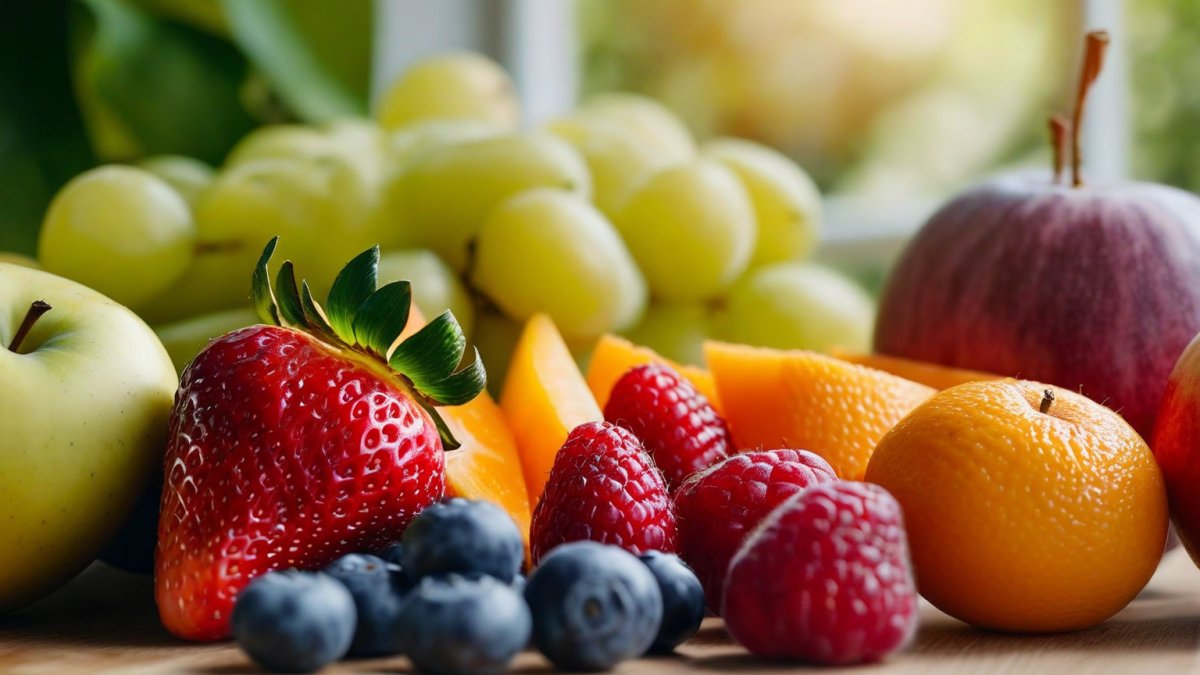
Ever wondered why nutritionists won't shut up about fruit?
I get it. We hear "eat more fruit" so often it becomes white noise. But here's the thing: there's a reason why experts like me keep harping on about it. Fruits are packed with stuff your body craves, and most of us aren't getting nearly enough.
So, let's cut through the noise. Here are three health facts about fruits that might actually surprise you:
1. Fruits are nature's multivitamins
Here's a fun fact: a single orange can pack more nutrients than that expensive multivitamin you're popping each morning. It's not just about vitamin C. Fruits are loaded with a complex mix of vitamins, minerals, and phytonutrients that work together in ways we're still trying to fully understand.
I get asked all the time: "Can't I just take a supplement?" Sure, but here's the catch: your body absorbs nutrients from whole foods like fruits much more efficiently. Plus, you're getting fiber and water content that no pill can match.
2. Fruits are secret weight-loss weapons
This might sound counterintuitive, but eating more fruit can actually help you lose weight. Here's why: fruits are high in fiber and water content, which helps you feel full without a ton of calories.
In my experience, people who snack on fruits tend to eat less overall. They're satisfying their sweet tooth without reaching for the candy bowl. And let's be real - a bowl of berries is a lot more filling than a handful of chips.
3. Fruits are brain food
Here's something that blew my mind when I first learned it: fruits can actually improve your cognitive function. The antioxidants in fruits, especially berries, help protect your brain cells from damage. Research suggests that regular fruit consumption might even slow cognitive decline as we age.
So yeah, that apple might actually make you smarter. Pretty cool, right?
Okay, so how do we actually eat more fruit?
I get it. Knowing fruit is good for you is one thing, but actually eating more of it is another. Here are some practical tips I give my clients:
- Make it visible: Keep a bowl of fruit on your counter. You're more likely to grab an apple if it's right in front of you.
- Sneak it in: Add berries to your morning cereal, or sliced fruit to your salads.
- Make it convenient: Pre-cut fruit and store it in the fridge. When you're hungry, it'll be ready to go.
- Try new varieties: Ever had a dragon fruit? Or a persimmon? Mixing it up keeps things interesting.
Remember, it's not about being perfect. Even adding one extra serving of fruit a day can make a big difference. Your body (and taste buds) will thank you.
So, what's your favorite fruit? And how do you plan to sneak more into your day? Let me know - I'm always looking for new ideas!
Pro tip: If you're worried about sugar content, pair fruits with a source of protein or healthy fat. This slows down the absorption of sugar and keeps you feeling full longer. Think apple slices with almond butter or berries with Greek yogurt.
Ready to up your fruit game? Let's do this! Your body (and taste buds) will thank you.