Look, I get it. You're always on the hunt for that extra edge in your training. But here's the thing: sometimes the most powerful performance boosters aren't fancy supplements. They're sitting right there in the produce aisle.
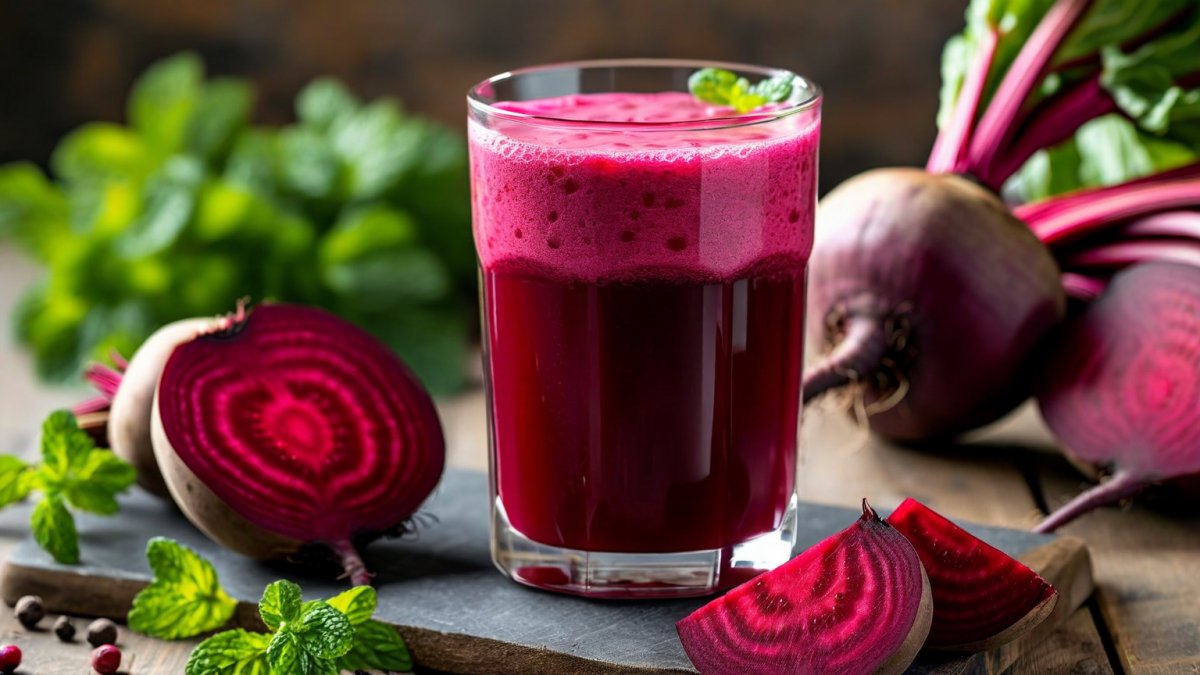
Enter beetroot juice. This vibrant red elixir has been creating quite a buzz in endurance sports circles lately. And for good reason. But does it really live up to the hype? Let's dig into the science and figure out if this root veggie deserves a spot in your nutrition plan.
The Nitty-Gritty on Nitrates
So what's the deal with beetroot juice? It all comes down to nitrates. These compounds get converted to nitric oxide in your body, which can work some serious magic:
- Improved blood flow (hello, oxygen delivery to those hard-working muscles)
- Enhanced mitochondrial efficiency (your cellular powerhouses get a tune-up)
- Reduced oxygen cost during exercise (more bang for your breathing buck)
Translation? You might be able to push harder for longer without hitting the wall. Sounds pretty sweet, right?
But Does It Actually Work?
Here's where things get interesting. The research is generally positive, especially for activities lasting over 30 minutes. We're talking potential improvements in time to exhaustion, power output, and overall efficiency.
But (and there's always a but), individual responses can vary. Some athletes see significant gains, while others might not notice much difference. It's not a magic bullet, but it could be a valuable tool in your performance toolkit.
Dosing: How Much is Just Right?
Alright, so you're intrigued. But how much beetroot juice should you actually drink? Here's a quick guide:
- Aim for 300-600ml (or about 5-8mmol of nitrate) about 2-3 hours before exercise
- For multi-day events, start sipping 3-6 days beforehand
- Be consistent during training to gauge your personal response
- Keep in mind that effects might plateau after about 15 days of continuous use
Pro tip: Start on the lower end and work your way up. Your gut will thank you.
Making It Work For You
Integrating beetroot juice into your routine isn't rocket science, but there are a few things to keep in mind:
- Quality matters. Look for concentrated juices or powders from reputable brands.
- Ditch the mouthwash (temporarily). It can interfere with the nitrate conversion process.
- Be prepared for some... colorful side effects. Don't freak out if your urine or stools take on a reddish hue.
- Time it right. Experiment with consumption around your training sessions for optimal effect.
Stacking for Success?
Some athletes like to combine beetroot juice with other ergogenic aids. Potential power couples include:
- Caffeine: Might amplify the endurance boost
- Beta-alanine: Could enhance high-intensity efforts
- Sodium bicarbonate: Might improve your ability to buffer lactic acid
But here's my advice: Don't go crazy with combinations right off the bat. Test one thing at a time, and always consult with a sports nutritionist before playing mix-and-match with supplements.
The Fine Print: Limitations to Consider
Before you go all-in on the beet bandwagon, there are a few caveats to keep in mind:
- Elite athletes might see less dramatic effects (sorry, superstars)
- High altitudes could dampen the benefits
- Some folks experience GI discomfort (start slow and listen to your gut... literally)
And remember, individual responses can vary wildly. What works for your training buddy might not be your cup of tea (or glass of beet juice, in this case).
Beyond the Bottle: Whole Food Benefits
While juice is convenient, don't forget about good old-fashioned beets. They pack a nutritional punch beyond just nitrates. Try these ideas:
- Toss roasted beets into your post-workout salad
- Blend raw beets into a recovery smoothie (pro tip: add berries to mask the earthy taste)
- Whip up some beet chips for a crunchy, nutrient-dense snack
Measuring the Impact
Curious if beetroot juice is actually doing anything for you? Keep an eye on these metrics:
- Time to exhaustion in submaximal efforts
- Power output at lactate threshold
- Oxygen consumption at given intensities
- Perceived exertion during long training sessions
- Recovery time between high-intensity intervals
Track these consistently, and you'll have a clearer picture of whether beetroot juice is your new secret weapon or just another nutrition fad.
The Bottom Line
So, is beetroot juice worth adding to your fueling strategy? Here's my take: If you're an endurance athlete looking for a natural performance edge, it's definitely worth a shot. The potential benefits are there, and the risks are minimal.
But remember, it's not a miracle cure. Beetroot juice should complement a solid training plan and overall nutrition strategy, not replace them. And as always, listen to your body. What works for the pros might not be your perfect fit.
Ready to give it a try? Start small, be consistent, and pay attention to how you feel. You might just find yourself crushing those PRs with a little help from this humble root vegetable.
Have you experimented with beetroot juice in your training? I'd love to hear about your experiences in the comments below. And if you found this breakdown helpful, be sure to check out our guide on top recovery foods for endurance athletes. Your next PR might be just a meal away!