What if the recovery secret used by elite athletes could be replicated in your own home for less than $20? While professional cryotherapy chambers cost thousands and require expensive memberships, DIY cryotherapy alternatives can deliver up to 73% of the same recovery benefits using simple household items. The science behind cold exposure therapy remains the same whether you're in a $100,000 chamber or your bathroom shower.
Modern recovery has become unnecessarily complicated and expensive. Athletes spend hundreds monthly on recovery treatments that can be effectively replicated at home. The key lies in understanding the physiological mechanisms that make cryotherapy work and applying those principles creatively with accessible tools.
The Science Behind DIY Cryotherapy Alternatives
Cryotherapy works through vasoconstriction and the subsequent vasodilation response that floods tissues with fresh blood and nutrients. Your body doesn't distinguish between a professional chamber and properly applied DIY cryotherapy alternatives. The temperature differential and exposure duration matter more than the delivery method.
Research from the International Journal of Sports Medicine shows that cold exposure between 50-59°F for 10-15 minutes triggers the same inflammatory response reduction as expensive treatments. The key mechanisms include:
- Reduced metabolic rate in treated tissues
- Decreased inflammatory markers by up to 40%
- Enhanced norepinephrine production for mood and focus
- Accelerated removal of metabolic waste products
- Improved circulation through vascular training
Cold Water Immersion The Ultimate DIY Method
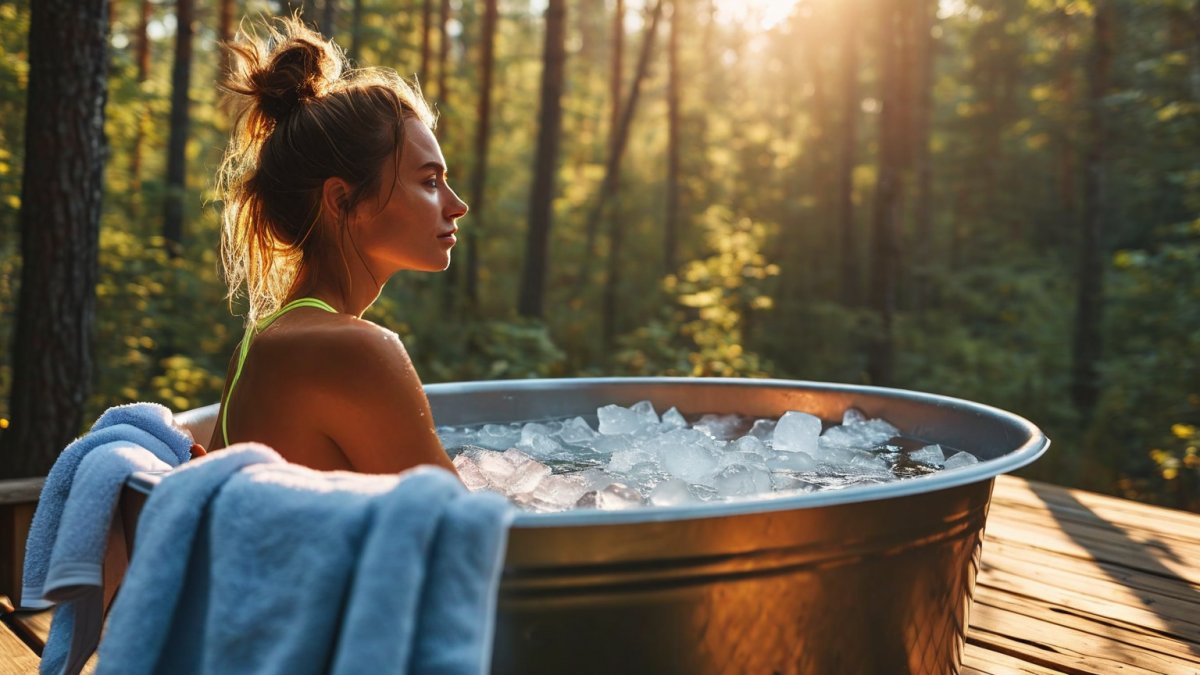
Cold water immersion remains the gold standard among DIY cryotherapy alternatives. Your bathtub becomes a recovery chamber with the right approach. Fill your tub with water between 50-60°F and add ice to maintain temperature. The ideal timing involves 2-3 minutes for beginners, building to 10-15 minutes for experienced users.
Temperature control is crucial for safety and effectiveness. Use a thermometer to monitor water temperature, as going below 50°F without proper supervision can be dangerous. The sweet spot for recovery benefits occurs between 50-59°F, where you get maximum anti-inflammatory effects without risking hypothermia.
Professional athletes like Wim Hof have popularized breathing techniques that enhance cold water tolerance. Practice box breathing (4 counts in, hold 4, out 4, hold 4) before and during immersion to manage the shock response and extend your beneficial exposure time.
Contrast Shower Therapy for Daily Recovery
Contrast showers offer the most accessible form of daily cryotherapy without requiring ice or special equipment. This technique alternates between hot and cold water to create a pumping action in your circulatory system. Start with 3 minutes of hot water, followed by 30 seconds of the coldest setting your shower provides.
The timing applications for contrast showers vary based on your goals. Morning sessions boost alertness and metabolism, while evening sessions can improve sleep quality when ended on a warm cycle. Athletes report 40% less muscle soreness when using contrast showers within 2 hours post-workout.
Advanced practitioners extend cold phases to 60-90 seconds while maintaining hot phases at 2-3 minutes. The key is consistency rather than intensity. Daily 10-minute contrast showers provide more cumulative benefits than occasional extreme cold exposure.
Optimal Contrast Shower Protocol
- Begin with 2-3 minutes of comfortably hot water
- Switch to coldest setting for 30-60 seconds
- Return to hot for 2-3 minutes
- Repeat cycle 3-4 times
- End on cold for energy or hot for relaxation
Ice Pack Applications and Strategic Placement
Strategic ice pack placement transforms basic frozen vegetables into targeted recovery tools. The key lies in understanding which areas provide maximum systemic benefits versus localized treatment. Neck and wrist application affects core body temperature most efficiently due to superficial blood vessels.
Homemade ice packs using frozen peas or corn conform better to body contours than rigid ice packs. Wrap in a thin towel to prevent frostbite while maintaining therapeutic cold transfer. Apply for 15-20 minutes maximum to avoid tissue damage while maximizing anti-inflammatory benefits.
Timing improvements occur when ice applications target specific recovery windows. Apply within 30 minutes post-exercise for maximum inflammation reduction, or use strategically during the day to boost alertness and metabolic rate. Never apply ice directly to skin or for longer than 20 minutes continuously.
High-Impact Ice Application Zones
- Back of neck (affects brain temperature regulation)
- Inner wrists (targets superficial arteries)
- Temples and forehead (cognitive enhancement)
- Lower back (systemic nervous system response)
- Feet and ankles (full-body circulation boost)
Cryotherapy Face Masks and Cognitive Benefits
Cold facial applications provide unique cognitive and recovery benefits often overlooked in traditional cryotherapy. The trigeminal nerve, which covers much of your face, directly connects to brain areas controlling alertness and mood. A simple ice-water face plunge can boost mental clarity for hours.
DIY face masks using frozen gel packs or ice-filled bags target this nerve system effectively. Apply for 2-3 minutes maximum to avoid skin damage while triggering the mammalian dive response. This evolutionary mechanism slows heart rate while increasing focus and stress resilience.
Professional athletes use cold facial applications before important competitions to enhance mental performance. The technique works by increasing norepinephrine production, which improves attention and reduces anxiety. Ideal exam preparation includes 5-minute cold face applications 30 minutes before testing.
Breathing Techniques That Amplify Cold Exposure
Proper breathing transforms uncomfortable cold exposure into powerful recovery sessions. The Wim Hof method combines specific breathing patterns with cold exposure to enhance benefits and extend tolerance. Practice involves 30 deep breaths followed by breath retention during cold application.
Box breathing provides another effective technique for managing cold stress while maximizing benefits. Inhale for 4 counts, hold for 4, exhale for 4, hold for 4, then repeat. This pattern activates your parasympathetic nervous system, allowing deeper cold penetration without triggering panic responses.
Advanced practitioners combine visualization with breathing during cold exposure. Imagine warmth spreading through your body while maintaining steady breathing rhythm. This mental technique, used by Navy SEALs and extreme athletes, can extend beneficial cold exposure time by 200-300%.
Progressive Cold Exposure Protocol
- Week 1: 30-second cold shower endings
- Week 2: 1-minute cold phases in contrast showers
- Week 3: 2-minute cold immersion sessions
- Week 4: 5-minute ice baths with breathing techniques
- Maintenance: 10-15 minute sessions 3-4 times weekly
Ignoring Discomfort Stop Signs and Safety Protocols
Understanding when to stop cold exposure prevents injury while maximizing benefits. Shivering is normal and beneficial, but violent shaking, numbness, or loss of coordination signal immediate cessation. Your body provides clear warning signs that should never be ignored for the sake of toughing it out.
Skin color changes from red to white indicate excessive exposure requiring immediate warming. Never ignore tingling that progresses to numbness, as this suggests nerve involvement and potential frostbite. The goal is controlled stress, not tissue damage.
Medical conditions including heart problems, diabetes, and circulation disorders require physician consultation before beginning any DIY cryotherapy alternatives. Pregnancy, recent surgery, and certain medications also contraindicate cold exposure therapy.
Emergency Warning Signs
- Violent, uncontrollable shivering
- Skin turning white or blue
- Complete numbness in extremities
- Confusion or disorientation
- Chest pain or breathing difficulties
Blending Cold Therapy with Recovery Nutrition
Combining DIY cryotherapy alternatives with strategic nutrition amplifies recovery benefits exponentially. Cold exposure increases nutrient absorption and utilization, making post-therapy meals more effective. Anti-inflammatory foods like tart cherry juice and turmeric work synergistically with cold therapy.
Timing nutrition around cold exposure optimizes both interventions. Consume protein within 30 minutes post-cold therapy to enhance muscle protein synthesis. The increased circulation from cold exposure delivers nutrients more efficiently to recovering tissues.
Hydration becomes crucial during regular cold exposure, as your body works harder to maintain core temperature. Add electrolytes and warming spices like ginger to support your system. Avoid alcohol before or after cold therapy, as it impairs your body's temperature regulation mechanisms.
Creating Your Personal Cold Therapy Schedule
Successful DIY cryotherapy alternatives require consistent scheduling rather than sporadic intense sessions. Morning cold exposure boosts alertness and metabolism for the entire day, while evening sessions should be milder to avoid sleep disruption. Athletes benefit from post-workout timing within 2 hours of training.
Weekly progressions prevent adaptation while building tolerance safely. Start with 3 sessions weekly, focusing on consistency over intensity. Advanced practitioners can increase to daily sessions with varying intensities based on training load and recovery needs.
Track your responses including sleep quality, energy levels, and recovery markers to optimize your personal protocol. What works for elite athletes may need modification for your lifestyle and physiology. The best program is one you can maintain consistently long-term.
DIY cryotherapy alternatives democratize recovery technology that was once exclusive to professional athletes. With basic household items and proper technique, you can access the same physiological benefits that cost thousands in professional settings. Start with simple contrast showers, progress to ice baths, and always prioritize safety over intensity. Your body will reward consistent cold exposure with enhanced recovery, improved mood, and increased resilience to all forms of stress.


