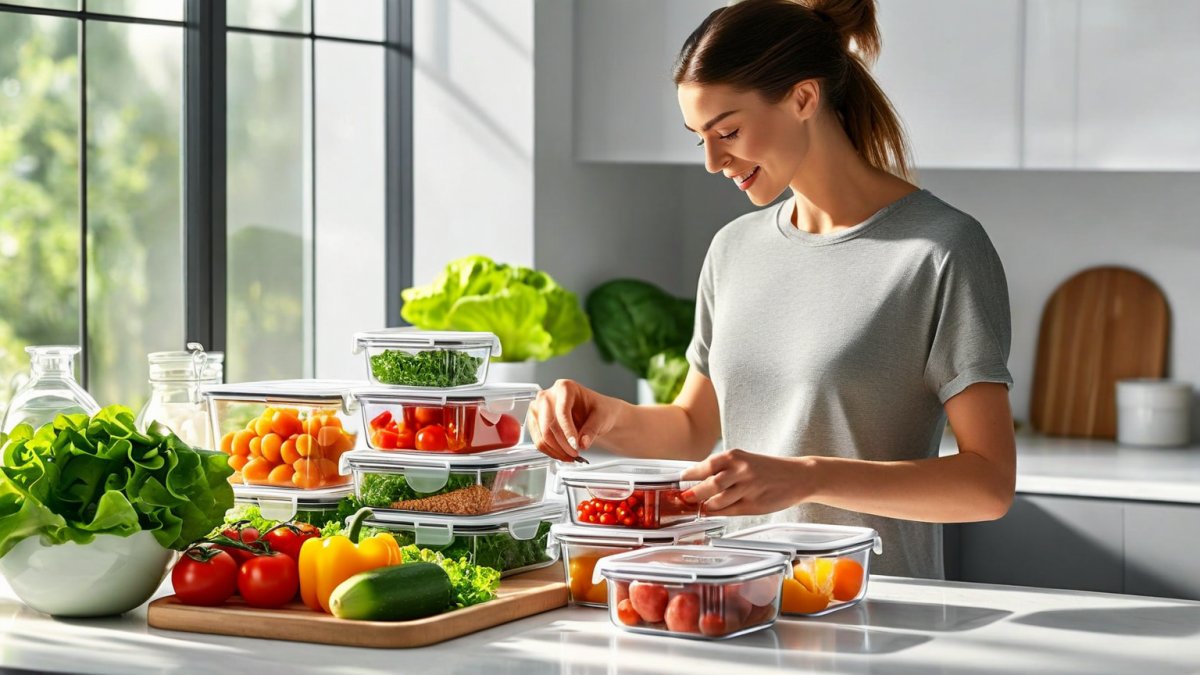
The Surprising Truth About Your Lunch Box
Think your food container is just an innocent bystander in your meal prep? Think again. As it turns out, that plastic box isn't just holding your food – it's actively interacting with it. And not always in a good way.
I'll be the first to admit, for years I didn't give my lunch containers a second thought. But as I dug into the research, I realized how much these everyday items impact our health and the environment. So let's talk about why your food storage matters more than you might think.
How Your Container Sneakily Affects Your Food
That trusty plastic container you've been using? It's not as innocent as it looks. Air, moisture, and temperature changes all chip away at the quality of your meals. A flimsy container with a poor seal? That's basically rolling out the red carpet for nutrient loss.
Here's what tends to happen:
- Crisp veggies turn sad and limp
- Vibrant berries get mushy
- Flavors fade faster than you can say "bland"
- Nutrients break down quicker than they should
Before you know it, you're eating a sad shadow of the meal you prepared. But it gets worse.
In the lab, we've seen that many low-grade plastics release tiny amounts of chemicals when exposed to heat or acidic foods. You can't see or taste these compounds, but they're there, potentially messing with your hormones and metabolism. Not exactly what you want with your lunch, right?
A Better Solution: More Than Just a Pretty Box
This is where Stak comes in. It's not just another fancy lunchbox. The team behind Stak actually thought about the science of food storage (okay, I know that sounds nerdy, but I love it).
Here's what makes Stak different:
- Tight, stable seal: Keeps oxygen out, nutrients in.
- Safe materials: No sketchy chemicals leaching into your food.
- Smart design: Easy to stack, carry, and clean.
The result? Your food stays fresher, tastier, and more nutritious. Plus, you're not inadvertently dosing yourself with hormone-disrupting chemicals. Win-win.
Meal Prep Made Actually Doable
Let's be real: meal prepping is great in theory, but a pain in practice if you don't have the right tools. Leaky containers, stained plastics, awkward shapes that don't fit in your bag... it's enough to make you give up and hit the drive-thru.
Stak's design is all about removing those friction points. It's compact, stackable, and dare I say, kind of sleek? When your containers look good and work well, you're way more likely to stick with your healthy eating habits.
The Environmental Angle You Might Be Overlooking
Okay, here's where I get on my soapbox for a minute. Single-use plastics are wrecking our planet. That disposable fork you used for lunch? It'll be around for centuries. Yikes.
Switching to a durable, reusable container like Stak isn't just good for your health – it's a small but meaningful step towards reducing your environmental impact. It's the kind of easy change that, when lots of people do it, adds up to a big difference.
The Minimalist Approach to Better Health
I've seen it time and time again in my practice: our environment shapes our habits. A cluttered kitchen full of mismatched containers? That's visual stress you don't need. It makes healthy eating feel like a chore.
Stak's minimalist approach isn't just about aesthetics. It's about creating an environment that makes healthy choices easier. When your meal prep tools are organized and efficient, you're more likely to use them. It's that simple.
So What Does This Mean For You?
Look, I'm not saying a fancy container will solve all your health problems. But in my experience, the little things add up. Using a high-quality food storage system like Stak can:
- Keep your food fresher and more nutritious
- Reduce your exposure to potentially harmful chemicals
- Make meal prepping less of a hassle
- Help you cut down on single-use plastics
Is it a magic bullet? No. But it's a smart, science-backed step towards better health and sustainability. And sometimes, that's exactly what we need – simple changes that make a real difference.
So next time you're packing lunch, think about what you're putting your food in. It might just be more important than you realized.