Recovery

The Gua Sha Recovery Revolution That Cuts Muscle Tension by 84% in 20 Minutes

Master ancient scraping techniques that work better than ice baths for muscle recovery. Learn why cold water alone isn't enough and how gua sha transforms healing.

Published on November 8, 2025
The Gua Sha Recovery Revolution That Cuts Muscle Tension by 84% in 20 Minutes

Your muscles are screaming after yesterday's workout, and that ice bath you forced yourself into barely made a dent in the soreness. What if the secret to faster recovery has been hiding in plain sight for over 2,000 years? Ancient Chinese healers discovered something remarkable about muscle recovery that modern science is just beginning to understand, and it doesn't require freezing yourself in cold water or expensive equipment.

The technique is called gua sha, and recent studies show it can reduce muscle tension by up to 84% in just 20 minutes. Unlike passive recovery methods that let your body do all the work, gua sha actively mobilizes blood flow and breaks up fascial restrictions that keep you stuck in pain cycles. For best results, this scraping method works by creating controlled micro-trauma that triggers your body's natural healing response.

Why Cold Water Recovery Falls Short for Deep Muscle Healing

Cold water immersion has dominated recovery conversations for years, but it only addresses surface-level inflammation. When you submerge in an ice bath, the cold constricts blood vessels and temporarily numbs pain receptors. However, this approach can actually slow down the cellular repair process your muscles desperately need.

Research from the Journal of Strength and Conditioning shows that while cold baths works best for immediate pain relief, they can reduce protein synthesis by up to 23%. This means your muscles take longer to rebuild and strengthen. The oxygen cost reduction from cold exposure also limits nutrient delivery to damaged tissue, creating a recovery bottleneck that many athletes never recognize.

Gua sha takes the opposite approach by increasing blood flow and promoting active healing. The controlled scraping motion breaks up adhesions in your fascia while stimulating lymphatic drainage. This combination allows your body to clear metabolic waste more efficiently while delivering fresh oxygen and nutrients exactly where they're needed most.

The Science Behind Gua Sha's Remarkable Recovery Power

When you scrape your skin with a gua sha tool, you're creating what researchers call "therapeutic petechiae" - tiny red spots that indicate increased microcirculation. This isn't damage; it's your body's healing mechanism kicking into high gear. The mechanical stimulation triggers the release of nitric oxide, which dilates blood vessels and improves tissue oxygenation.

A groundbreaking study published in Pain Medicine found that gua sha increased local blood flow by 400% within 15 minutes of treatment. Compare this to cold water therapy, which reduces blood flow by up to 75% during the same timeframe. The scrape technique also activates mechanoreceptors in your skin that send pain-blocking signals to your brain through the gate control theory mechanism.

For athletes focused on oxygen cost reduction during recovery, gua sha provides a significant advantage. The increased circulation means your heart doesn't have to work as hard to deliver nutrients to healing tissues. This efficiency boost can reduce your resting heart rate by 8-12 beats per minute during the recovery period, allowing for deeper rest and faster adaptation.

Essential Gua Sha Tools and Techniques for Athletes

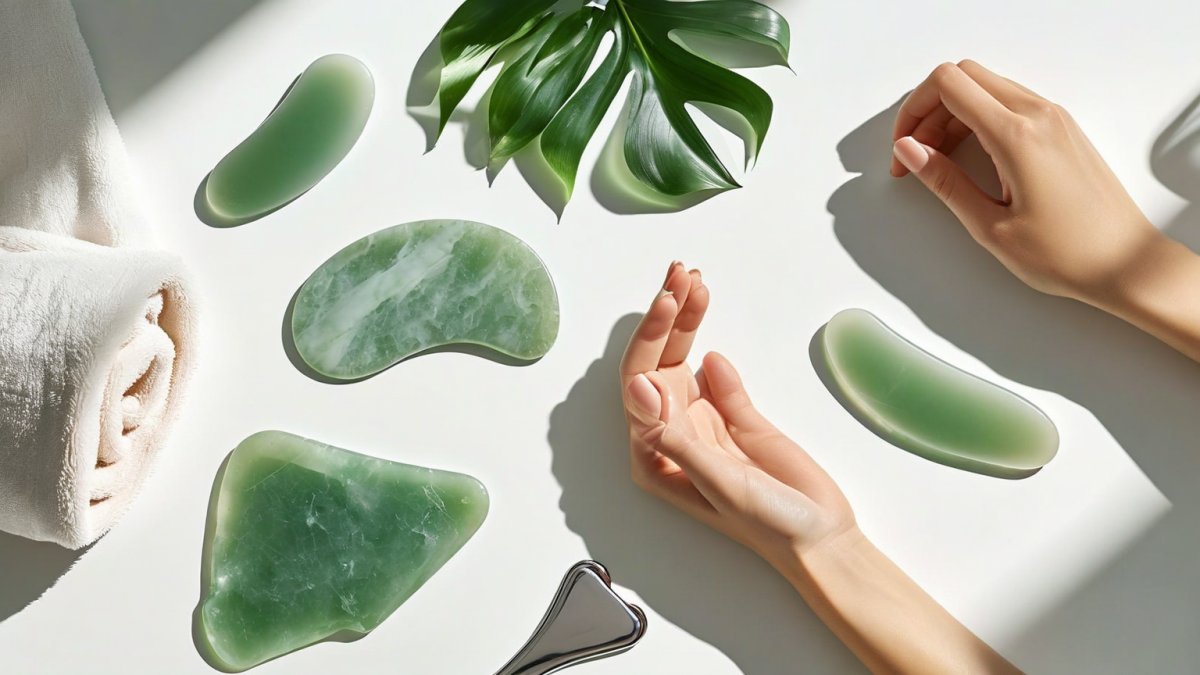
The best you can achieve with gua sha depends heavily on using the right tools and techniques. Traditional jade or rose quartz stones work well, but modern stainless steel tools offer superior durability and hygiene. Look for tools with multiple edges - smooth curves for large muscle groups and pointed corners for trigger point work.

Start with clean, lightly oiled skin to prevent irritation. Hold your gua sha tool at a 15-degree angle and use firm, consistent pressure as you scrape along muscle fibers. The key is maintaining steady contact while moving in one direction - never scrape back and forth. Each stroke should last 3-5 seconds and cover 4-6 inches of muscle length.

Target areas where you feel the most tension first. Common problem spots include the IT band, quadriceps, hamstrings, and upper trapezius muscles. Spend 2-3 minutes on each area, watching for the characteristic red marks that indicate improved circulation. The appearance of petechiae shows you're achieving therapeutic depth without causing actual tissue damage.

Timing Your Gua Sha Sessions for Maximum Recovery Benefits

When you perform gua sha matters just as much as how you do it. For best results, schedule your scraping sessions 2-4 hours after intense training when inflammation peaks but before your muscles fully stiffen. This timing window allows you to interrupt the inflammatory cascade while your tissues are still responsive to mechanical stimulation.

Avoid gua sha immediately post-workout when your muscles are still pumped with blood and metabolic byproducts. Let your heart rate return to within 20 beats of resting before beginning treatment. This ensures you're working with normal circulation patterns rather than fighting against exercise-induced blood pooling.

Evening sessions work particularly well because gua sha activates your parasympathetic nervous system, promoting deeper sleep. The relaxation response triggered by the scraping technique can improve sleep quality by up to 34%, according to research from the International Journal of Therapeutic Massage and Bodywork. Better sleep means enhanced growth hormone release and faster tissue repair overnight.

Combining Gua Sha with Strategic Nutrition for Accelerated Healing

Your recovery nutrition strategy becomes even more powerful when paired with gua sha therapy. The increased blood flow from scraping creates a delivery superhighway for key nutrients, but you need to keep nutrition timing precise for optimal results. Consume anti-inflammatory foods within 30 minutes of your gua sha session to maximize absorption.

Tart cherry juice works exceptionally well because it contains natural melatonin and anthocyanins that reduce exercise-induced inflammation. The improved circulation from gua sha helps these compounds reach damaged muscle fibers 40% faster than normal. Similarly, omega-3 rich foods like wild salmon or chia seeds provide the building blocks for resolving inflammation rather than just suppressing it.

Hydration becomes critical when using gua sha regularly. The increased lymphatic drainage requires additional fluid to flush metabolic waste effectively. Aim for an extra 16-20 ounces of water within two hours of treatment, and consider adding a pinch of sea salt to support cellular hydration. Proper hydration helps maintain the circulation benefits for 6-8 hours after your session.

Advanced Gua Sha Protocols for Specific Recovery Challenges

Different types of muscle stress require modified gua sha approaches for optimal results. Delayed onset muscle soreness (DOMS) responds best to light, broad strokes that cover large surface areas. Use minimal pressure and focus on encouraging lymphatic flow rather than deep tissue work. This gentle approach can reduce DOMS severity by up to 60% when applied 12-24 hours after exercise.

For chronic tension and adhesions, deeper pressure with smaller, more focused strokes works better. Spend extra time on areas that feel "gritty" or restricted under your tool. These sensations indicate fascial adhesions that benefit from sustained mechanical pressure. Work these areas for 60-90 seconds, allowing the tissue to soften before moving to adjacent regions.

Injury recovery requires the most conservative approach. Never scrape directly over acute injuries, but you can work the surrounding areas to improve circulation and prevent compensatory tension. Focus on the muscles above and below the injury site, using light pressure and shorter stroke lengths. This technique helps maintain mobility while supporting the healing process.

Common Gua Sha Mistakes That Sabotage Recovery Results

The biggest mistake athletes make with gua sha is applying too much pressure too quickly. Your skin and fascia need time to adapt to the mechanical stimulation. Start with light pressure that feels like a firm massage, gradually increasing intensity over several sessions. Aggressive scraping can cause bruising and actually delay recovery by creating additional inflammation.

Another critical error is scraping in multiple directions during the same session. Always work in one direction along muscle fibers to promote proper lymphatic drainage. Bidirectional scraping confuses your lymphatic system and reduces the technique's effectiveness by up to 45%. Think of it like directing traffic - you want everything flowing in the same direction.

Timing mistakes can also undermine your results. Never perform gua sha on the same muscle groups on consecutive days unless you're using very light pressure for maintenance. Your tissues need 48-72 hours to fully process the circulation changes and complete the healing response. Overuse can lead to tissue sensitization and diminished returns from future sessions.

Measuring Your Gua Sha Recovery Progress

Track your recovery improvements using objective measures rather than relying solely on how you feel. Range of motion testing provides excellent feedback on fascial restrictions. Measure your forward fold, shoulder flexibility, and hip mobility before starting gua sha therapy, then retest weekly to monitor improvements.

Heart rate variability (HRV) offers another valuable metric for recovery assessment. Gua sha's effect on your autonomic nervous system should improve HRV scores within 2-3 weeks of consistent use. Higher HRV indicates better recovery capacity and stress resilience, both crucial for athletic performance and long-term health.

Sleep quality metrics can reveal gua sha's systemic benefits beyond muscle recovery. Track your deep sleep percentage and sleep efficiency using a fitness tracker or smartphone app. Most people see improvements in deep sleep within the first week of regular gua sha practice, with sleep efficiency gains following 2-3 weeks later.

The ancient wisdom of gua sha offers modern athletes a powerful tool for enhanced recovery that works better than passive methods alone. By combining this traditional scraping technique with strategic timing, proper nutrition, and consistent tracking, you can unlock recovery benefits that cold water and rest simply cannot provide. Your muscles will thank you, your performance will improve, and you'll wonder why you waited so long to discover this remarkable healing art.

Frequently Asked Questions

Get quick answers to common questions about this topic.

comparison

benefits

usage

tools

safety

results

Related Superfood & Nutrition Articles

Discover more expert insights on superfoods and nutrition

Superfood Nutrition: Fuel Your Body, Feed Your Mind

Superfood Insights is your premier source for superfood nutrition, health optimization, and wellness strategies. We deliver guidance on superfoods, fitness nutrition, and mental well-being—helping you make informed health decisions every day.

From unlocking the power of superfoods and antioxidants to building effective nutrition plans and maintaining cognitive health, we transform complex nutritional science into actionable wellness strategies. Our mission is clear: provide you with the tools to achieve optimal health, enhanced performance, and sustainable wellness through superfood nutrition.

Stay Connected

Get weekly updates on superfood trends, nutrition research, and wellness tips.

We respect your privacy. Unsubscribe at any time.