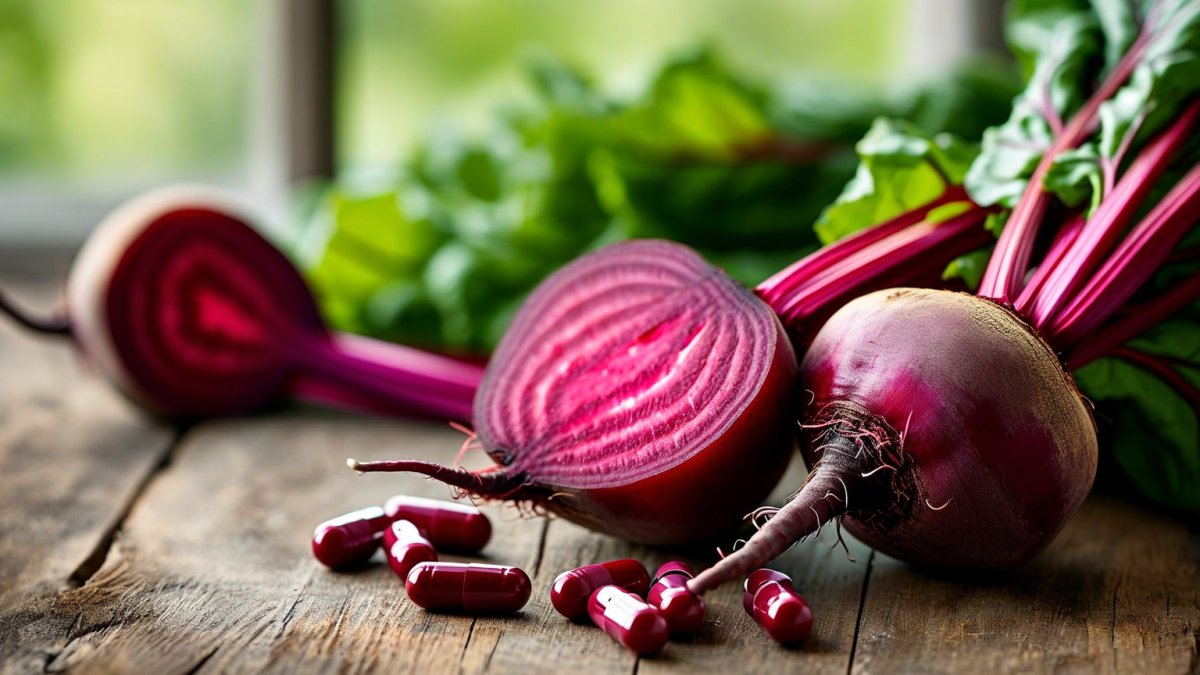
Look, here's the thing most athletes get completely wrong about performance nutrition. They're dropping serious cash on fancy pre-workout powders while ignoring one of nature's most potent performance enhancers sitting right there in the produce aisle. Real talk: best beetroot performance benefits aren't just marketing hype. This crimson root vegetable packs more punch than most expensive supplements, and the science backs it up.
I get asked this all the time in my practice - "Marcus, what's the deal with beetroot? Is it actually worth the fuss?" And my answer is always the same. Absolutely. But here's what most people don't understand about maximizing beetroot's performance potential.
Why Beetroot Destroys Synthetic Performance Boosters
The magic happens through something called dietary nitrates. When you consume beetroot, your body converts these nitrates into nitric oxide - basically nature's own vasodilator. This process opens up your blood vessels like a four-lane highway, delivering oxygen and nutrients to working muscles more efficiently than any artificial supplement can manage.
But here's where it gets interesting. Most synthetic pre-workouts rely on stimulants that jack up your heart rate and leave you crashing later. Beetroot works differently. It actually reduces the oxygen cost of exercise, meaning you can work harder while feeling like you're doing less. The research suggests this can improve endurance performance by 2-3%, which might not sound like much until you realize that's the difference between a personal record and just another workout.
And unlike those chalky powders with ingredient lists you can't pronounce, beetroot comes with a bonus package of folate, manganese, and betalains - powerful antioxidants that help your body recover faster. You're not just getting a performance boost; you're getting comprehensive nutritional support.
The Nitric Oxide Connection
Think of nitric oxide as your body's internal traffic controller. When levels are optimal, everything flows smoothly. Blood moves efficiently, oxygen gets where it needs to go, and waste products get cleared out faster. This translates to better endurance, improved power output, and faster recovery between sets or intervals.
Best Beetroot Performance Timing That Actually Works
Timing is everything with beetroot, and most people mess this up completely. The peak nitric oxide boost happens about 2-3 hours after consumption. So if you're planning an evening workout, that morning beetroot smoothie isn't doing you any favors.
Here's what I recommend to my clients:
- For morning workouts: Consume beetroot juice or powder 2-3 hours before bed the night before, then again 30 minutes before your session
- For afternoon training: Have your beetroot dose with breakfast or mid-morning snack
- For evening sessions: Time your beetroot intake for lunch or early afternoon
- For competitions: Start loading 3-5 days prior with daily beetroot consumption
This might sound counterintuitive, but consistency matters more than single-dose timing. Your body builds up nitrate stores over time, so regular beetroot consumption creates a baseline that acute doses can then amplify.
Fresh vs. Juice vs. Powder Showdown
Each form has its place, and the best choice depends on your goals and tolerance. Fresh beetroot gives you the full nutritional package plus fiber, but the nitrate concentration is lower. Beetroot juice delivers higher nitrate levels but can be tough on sensitive stomachs. Beetroot powder offers convenience and concentrated benefits but lacks some of the fresh nutrients.
Beetroot Performance Alternatives When You Need Options
Sometimes beetroot isn't practical or available. Maybe you're traveling, or perhaps you're one of those people who just can't handle the earthy taste (I get it). Here are some solid alternatives that work through similar pathways:
Arugula and spinach pack impressive nitrate levels and blend easily into smoothies. Dark leafy greens might not have beetroot's concentration, but they're more versatile and easier to consume regularly.
Pomegranate juice offers nitric oxide support through different mechanisms, plus it tastes significantly better to most people. The polyphenols in pomegranate help protect and enhance nitric oxide production.
Watermelon contains citrulline, which converts to arginine and then to nitric oxide. It's particularly effective when combined with beetroot, creating a synergistic effect that's greater than either alone.
The Concentration Game
Not all beetroot products are created equal. Look for products standardized to at least 250mg of nitrates per serving. Many commercial beetroot powders are diluted with fillers, giving you more marketing than actual performance benefits.
What Your Best Friend Won't Tell You About Beetroot
Let me share some practical insights that most articles skip over. First, beetroot can turn your urine pink or red - this is completely normal and harmless, but it freaks people out if they're not expecting it.
Second, if you have kidney stones or are prone to them, beetroot's oxalate content means you should moderate your intake. The research suggests this affects a small percentage of people, but it's worth knowing.
Third, and this is important - beetroot works best when your overall nitric oxide production is optimized. That means good oral hygiene (but skip the antibacterial mouthwash before workouts), adequate vitamin C intake, and avoiding excessive processed foods that can interfere with nitrate conversion.
The Taste Factor Solution
Look, beetroot tastes like dirt to some people. I won't sugarcoat it. But here are some tricks that work: blend it with berries and citrus to mask the earthiness, try golden beetroot varieties which are milder, or start with small amounts mixed into familiar foods like smoothies or salads.
Performance Potato Salad Recipe That Delivers
This might sound random, but hear me out. Combining beetroot with potatoes creates a performance powerhouse that addresses multiple nutritional needs. Potatoes provide easily digestible carbohydrates for energy, while beetroot delivers the nitric oxide boost.
Here's my go-to pre-competition potato salad that actually enhances performance:
- 2 cups roasted baby potatoes (skin on for extra nutrients)
- 1 medium roasted beetroot, diced
- 1/4 cup arugula for extra nitrates
- 2 tablespoons olive oil
- 1 tablespoon apple cider vinegar
- Salt and herbs to taste
The combination provides sustained energy from the potatoes, nitric oxide support from the beetroot and arugula, and healthy fats for nutrient absorption. Plus, it's actually delicious and doesn't require any weird supplements.
Timing This Performance Meal
Consume this 3-4 hours before competition or intense training. The timing allows for proper digestion while maximizing the nitrate conversion window. For daily training, smaller portions work well as part of your regular meal rotation.
Top Concentration Mistakes That Kill Results
Even with perfect nutrition, mental focus can make or break your performance. Here's what I see athletes mess up constantly when trying to optimize both physical and cognitive performance.
First mistake: thinking more is always better. Loading up on beetroot won't compensate for poor sleep, high stress, or inadequate recovery. The best beetroot performance benefits happen when it's part of a comprehensive approach, not a magic bullet solution.
Second: ignoring individual response patterns. Some people are "responders" who see dramatic improvements from beetroot, while others show minimal changes. This doesn't mean beetroot doesn't work - it means you need to track your personal response and adjust accordingly.
Third: focusing only on the physical while ignoring mental performance. Beetroot can improve cognitive function through better blood flow to the brain, but you need to create the right environment for this to matter. That means managing distractions, optimizing your training environment, and maintaining consistent sleep patterns.
The Mind-Body Connection
Enhanced blood flow from beetroot doesn't just benefit your muscles - it also improves brain function. Better circulation means improved focus, faster decision-making, and enhanced reaction times. This is particularly valuable for sports requiring split-second decisions or sustained concentration.
Building Your Personal Beetroot Protocol
Creating an effective beetroot strategy isn't complicated, but it does require some experimentation. Start with a baseline protocol and adjust based on your response, training schedule, and performance goals.
Week 1-2: Establish tolerance with small daily doses (100-150mg nitrates). Monitor how your body responds, including any digestive effects or performance changes.
Week 3-4: Increase to optimal doses (250-400mg nitrates) and dial in your timing. Pay attention to when you feel the strongest effects and adjust your consumption schedule accordingly.
Week 5+: Fine-tune based on training periodization. Higher doses during intense training blocks, maintenance doses during easier periods, and strategic loading before competitions.
Tracking What Matters
Keep a simple log of beetroot timing, dosage, and perceived performance. Look for patterns in endurance, power output, and recovery. The data will help you optimize your personal protocol rather than following generic recommendations.
So what does this mean for your training? Beetroot isn't just another superfood trend - it's a legitimate performance tool with solid science behind it. But like any tool, it works best when used strategically as part of a comprehensive approach to nutrition and performance.
Start simple: add beetroot juice or powder to your pre-workout routine, time it properly, and track your results. You might be surprised at how this humble root vegetable can enhance your performance without the crash and expense of synthetic alternatives. The best part? You're not just boosting today's workout - you're building long-term cardiovascular health that will serve you for years to come.


