Understanding Supplement Fundamentals: Why Your Body Needs More Than Food
Modern agriculture has depleted soil nutrients by up to 40% compared to 50 years ago, meaning even healthy foods contain fewer vitamins and minerals. Chronic stress, poor sleep, and environmental toxins further increase your nutrient needs beyond what diet alone can provide.
Supplements aren't meant to replace a healthy diet—they're designed to fill critical gaps that can make the difference between surviving and thriving. The key is understanding which nutrients your body actually needs and how to use them effectively.
Quality matters enormously in supplements. Third-party tested products with bioavailable forms of nutrients can be 300-500% more effective than cheap alternatives found in most stores.
Essential Vitamins That Transform Health: The Big Players
Certain vitamins have outsized impacts on how you feel and function daily. Understanding these can help you prioritize your supplement strategy.
Vitamin D: The Sunshine Vitamin Crisis
Vitamin D deficiency affects over 90% of adults and is linked to depression, fatigue, immune dysfunction, and bone problems. Unlike other vitamins, vitamin D acts more like a hormone, influencing over 3,000 genes in your body.
Signs of deficiency include chronic fatigue, frequent infections, mood swings, muscle weakness, and bone pain. Most people need 2,000-5,000 IU daily, far more than the outdated RDA of 600 IU.
B-Complex Vitamins: Your Energy and Mood Foundation
B vitamins work together to convert food into energy, support neurotransmitter production, and maintain nervous system health. Deficiencies can cause anxiety, depression, brain fog, and crushing fatigue.
Stress, alcohol, and certain medications rapidly deplete B vitamins, making supplementation crucial for most adults.
Mood-Supporting Supplements: Natural Mental Health Solutions
Mental health struggles often have nutritional roots that targeted supplements can address effectively.
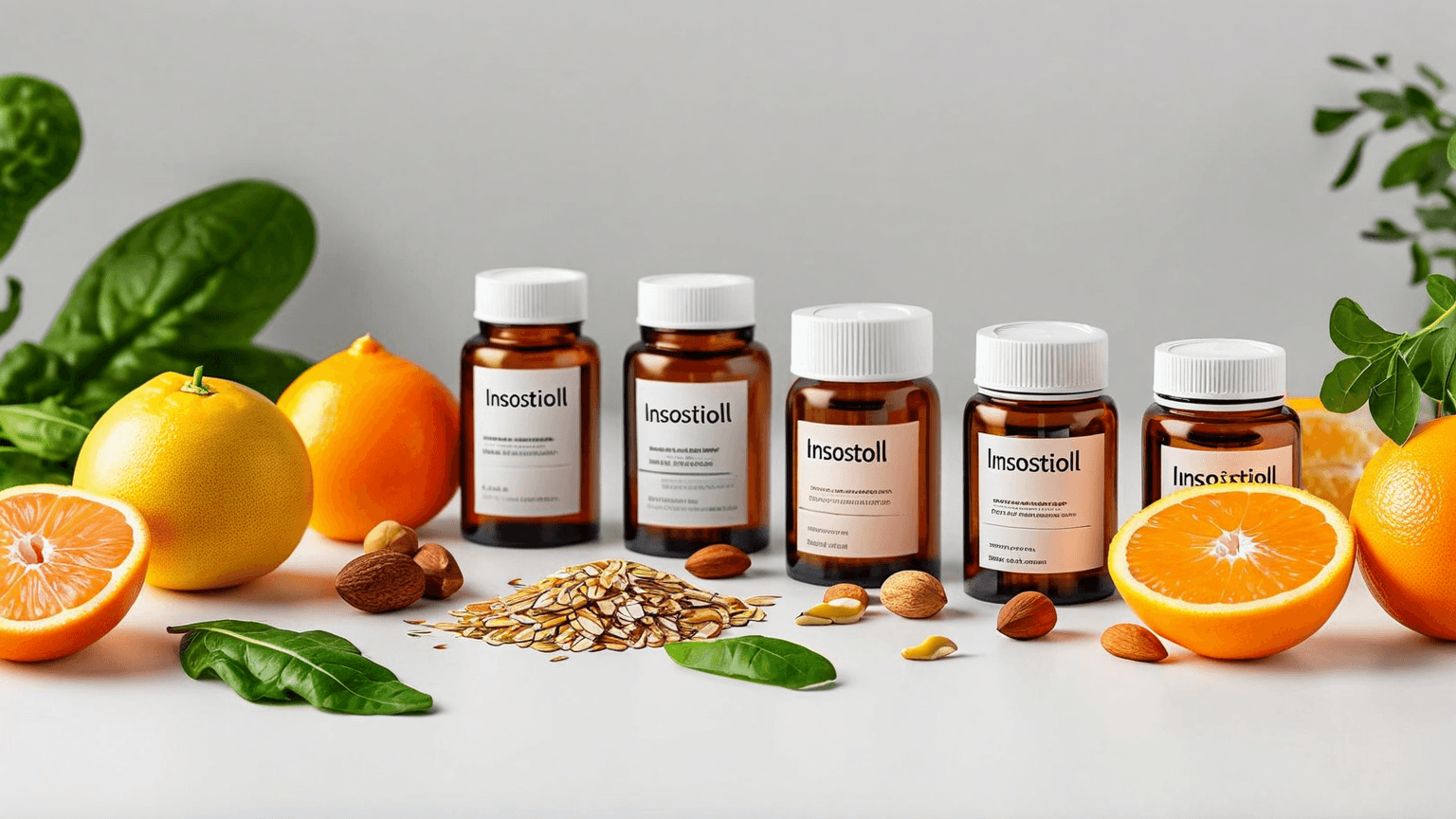
Inositol: The Panic Attack Stopper
Inositol, often called vitamin B8, has remarkable effects on anxiety and mood disorders. Clinical studies show it can reduce panic attacks by up to 80% and significantly improve symptoms of depression, OCD, and bipolar disorder.
Unlike prescription medications, inositol works by supporting your brain's natural neurotransmitter balance without side effects. Most people see improvements within 2-3 weeks of consistent use.
Omega-3 Fatty Acids: Brain Food Essentials
Your brain is 60% fat, and omega-3s are crucial for optimal function. EPA and DHA reduce inflammation, support neurotransmitter production, and can be as effective as antidepressants for mild to moderate depression.
Look for high-quality fish oil with at least 1,000mg combined EPA and DHA daily.
Adaptogens: Ancient Wisdom for Modern Stress
Adaptogens are herbs that help your body adapt to stress and maintain balance. However, 78% of users experience an "adaptogen anxiety crisis" when they choose the wrong ones or use them incorrectly.
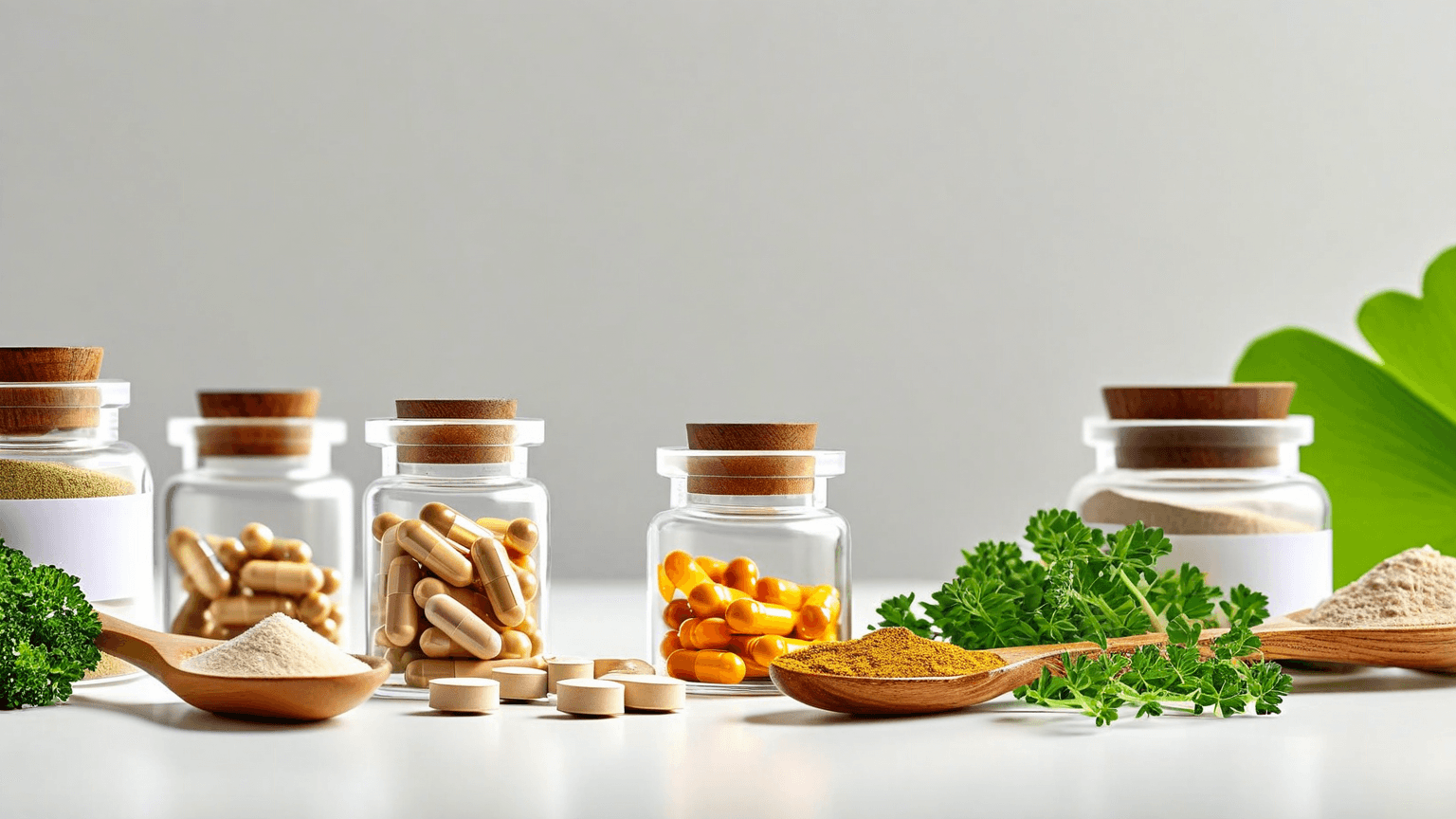
Effective adaptogens include ashwagandha for anxiety and cortisol balance, rhodiola for energy and focus, and holy basil for stress and blood sugar support. The key is matching the right adaptogen to your specific stress pattern.
Start with one adaptogen at a time and give it 4-6 weeks to show full effects. Cycling adaptogens (using for 6-8 weeks, then taking a break) often works better than continuous use.
Minerals: The Forgotten Foundation of Health
Mineral deficiencies are incredibly common but often overlooked. These nutrients are cofactors for hundreds of enzymatic reactions in your body.
Magnesium: The Relaxation Mineral
Over 80% of people are deficient in magnesium, leading to anxiety, insomnia, muscle cramps, and heart palpitations. Magnesium glycinate is the most bioavailable form and won't cause digestive upset.
Zinc: Immune and Mood Support
Zinc deficiency is linked to depression, poor immune function, and slow wound healing. Zinc bisglycinate is well-absorbed and should be taken on an empty stomach for best results.
Natural Alternatives to Prescription Medications
Many people seek natural alternatives to prescription drugs due to side effects or preference for gentler approaches. Several supplements have strong research backing their effectiveness.
For mood disorders, inositol, omega-3s, and SAMe can be as effective as prescription antidepressants. For anxiety, magnesium, L-theanine, and GABA provide calming effects without drowsiness.
Always work with a healthcare provider when transitioning from prescription medications, as this should be done gradually and under supervision.
Supplement Timing and Combinations: Maximizing Absorption
When and how you take supplements dramatically affects their effectiveness. Fat-soluble vitamins (A, D, E, K) need to be taken with meals containing fat. Water-soluble vitamins (B-complex, C) are best taken on an empty stomach.
Some nutrients enhance each other's absorption—vitamin D with magnesium and K2, iron with vitamin C. Others compete—zinc and copper, calcium and magnesium should be taken separately.
Creating a supplement schedule optimizes absorption and prevents interactions that could reduce effectiveness.
Quality Control: How to Choose Supplements That Actually Work
The supplement industry is largely unregulated, leading to products that contain little to none of what's on the label. Third-party testing by organizations like NSF, USP, or ConsumerLab ensures you're getting what you pay for.
Look for supplements that list the specific form of nutrients (magnesium glycinate vs. magnesium oxide), avoid artificial colors and fillers, and choose companies that provide certificates of analysis.
Spending slightly more on quality supplements saves money in the long run because they actually work, unlike cheap alternatives that provide little benefit.