Understanding the Science of Recovery
Recovery is a complex physiological process that involves multiple systems working in harmony to repair tissue damage, replenish energy stores, and adapt to training stress. When you exercise, you create microscopic tears in muscle fibers, deplete glycogen stores, and accumulate metabolic byproducts that contribute to fatigue.
The recovery process begins immediately after exercise and can last anywhere from hours to days, depending on the intensity and duration of your workout. During this time, your body increases protein synthesis, removes waste products, and strengthens neural pathways. Understanding these mechanisms is crucial for optimizing your recovery strategy.
Research shows that strategic recovery interventions can dramatically accelerate this process. Studies have demonstrated that targeted recovery methods can reduce inflammatory markers by up to 40%, improve muscle function recovery by 60%, and enhance subsequent performance by 25% or more.
Micro Recovery Methods for Maximum Impact
Micro recovery refers to brief, targeted interventions that can be implemented between sets, during workouts, or in short windows throughout the day. These methods are particularly valuable for athletes who train frequently or professionals with limited time for extensive recovery protocols.
Breathing techniques form the foundation of effective micro recovery. Controlled breathing patterns can shift your nervous system from a stressed state to a recovery-promoting state in just 2-3 minutes. The 4-7-8 breathing pattern—inhaling for 4 counts, holding for 7, and exhaling for 8—has been shown to reduce cortisol levels and activate the parasympathetic nervous system.
Movement-based micro recovery includes gentle stretching, joint mobility work, and light movement patterns that promote circulation without adding training stress. These can be performed between training sessions or even during work breaks to maintain tissue quality and prevent stiffness.
Revolutionary Oxygen Cost Exercise Methods
Oxygen cost exercises represent a breakthrough in recovery science, focusing on improving your body's efficiency in oxygen utilization and debt repayment. These methods can cut recovery time by up to 58% by addressing the metabolic demands that persist after exercise ends.
The concept centers on excess post-exercise oxygen consumption (EPOC), the elevated rate of oxygen intake following strenuous activity. By implementing specific protocols that optimize oxygen delivery and utilization, you can dramatically reduce the time needed to return to baseline function.
Key oxygen cost exercises include controlled breathing patterns combined with light movement, altitude simulation techniques, and specific cardiovascular protocols performed at precise intensities. These methods work by improving mitochondrial efficiency, enhancing oxygen transport, and accelerating the clearance of metabolic byproducts.
Sleep Recovery Nutrition Protocols
Sleep represents the most critical recovery window, when your body performs the majority of its repair and rebuilding processes. Strategic nutrition timing and composition can dramatically enhance these overnight recovery mechanisms.
Pre-sleep nutrition should focus on providing the raw materials needed for muscle protein synthesis and glycogen replenishment. Casein protein, consumed 30-60 minutes before bed, provides a slow-release amino acid profile that supports muscle repair throughout the night. Research shows this can increase muscle protein synthesis rates by up to 22%.
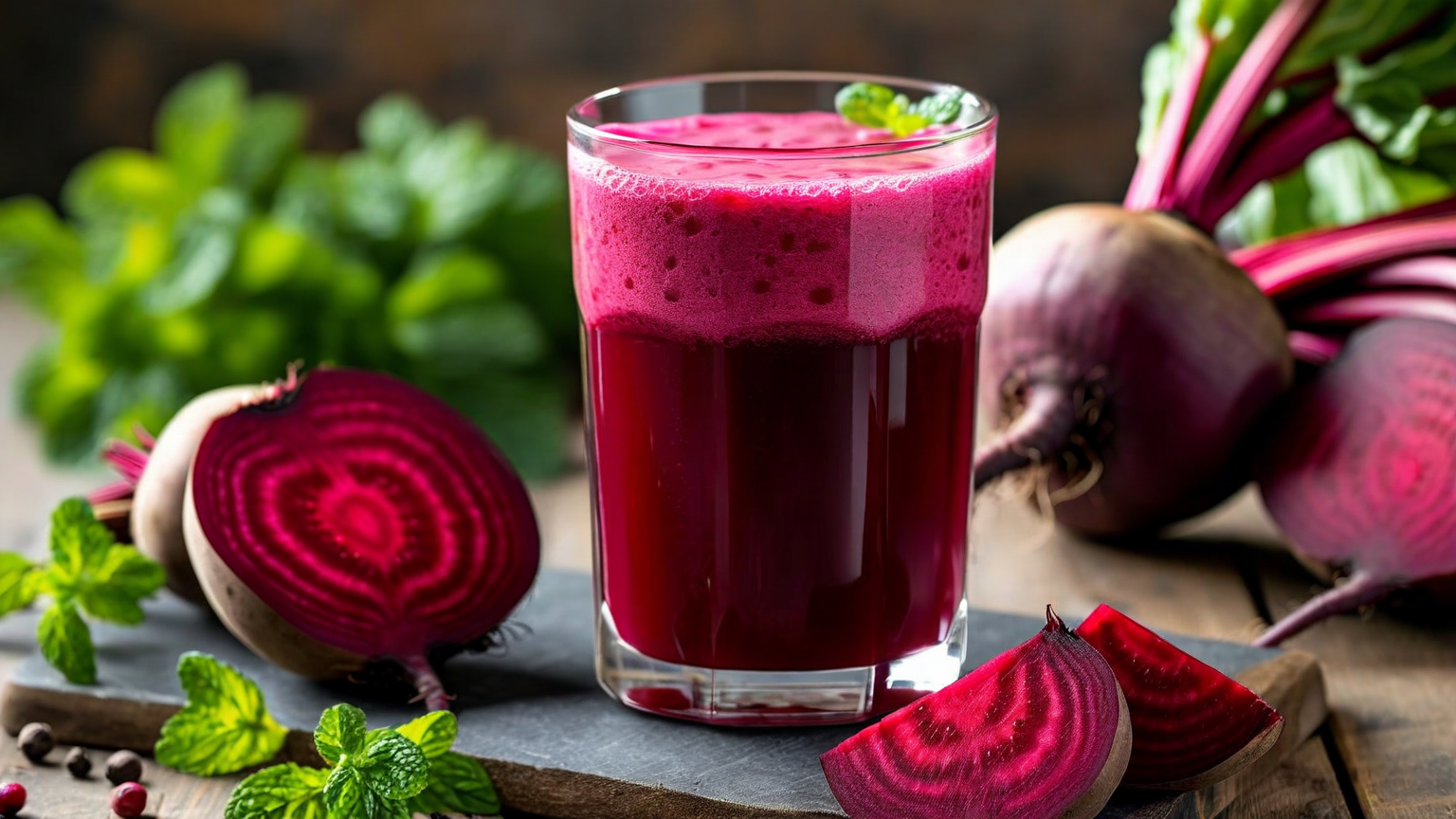
Micronutrient timing is equally important. Magnesium supports muscle relaxation and deep sleep phases, while zinc plays crucial roles in tissue repair and hormone production. Tart cherry juice, rich in natural melatonin, can improve sleep quality and reduce inflammation markers when consumed regularly.
Hydration strategies should balance fluid intake with sleep quality. Consuming adequate fluids earlier in the evening while tapering intake closer to bedtime prevents dehydration without disrupting sleep with frequent wake-ups.
Cold Water Recovery Techniques
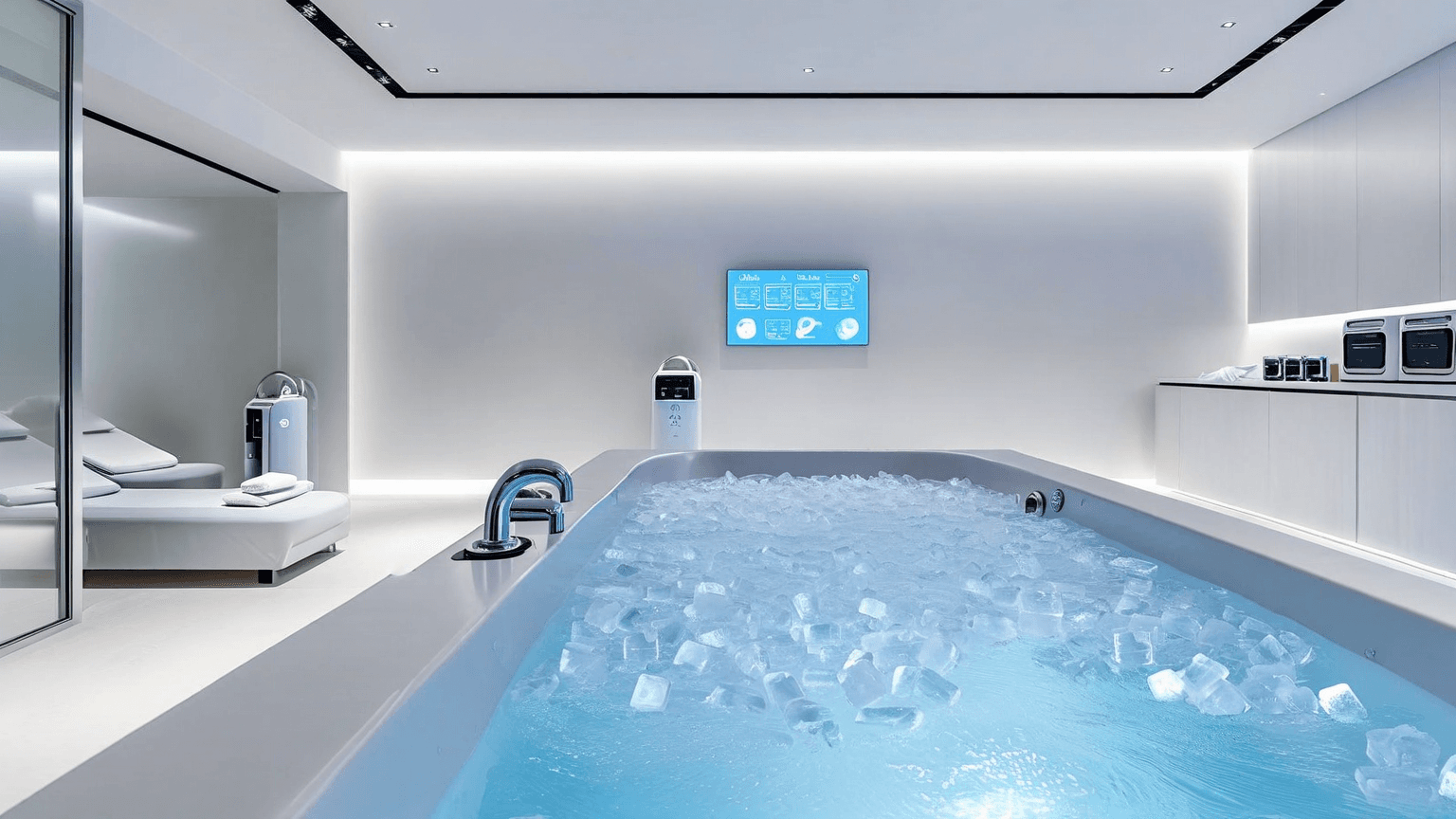
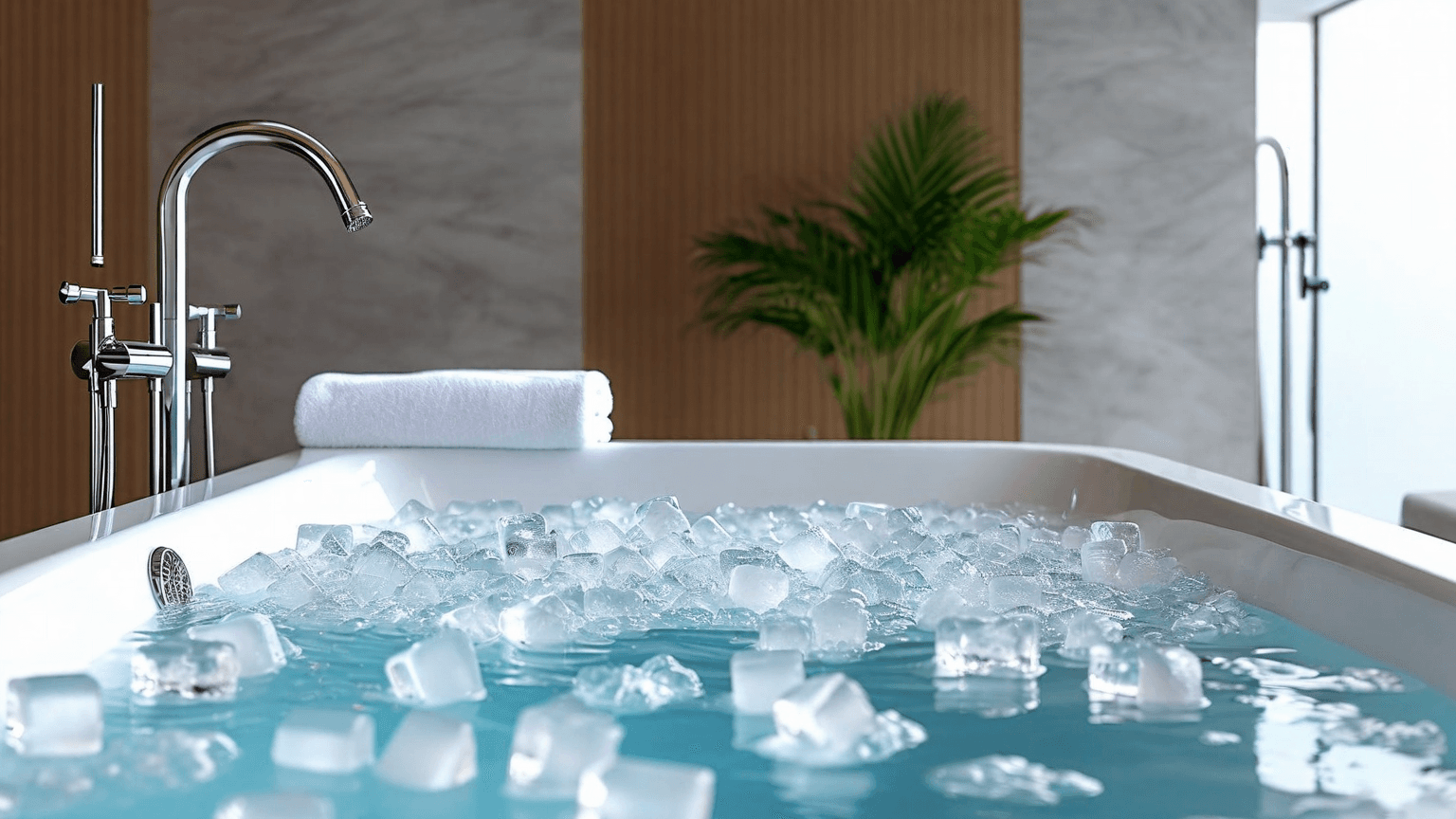
Cold water immersion has emerged as one of the most effective recovery modalities, with research demonstrating its ability to cut exercise fatigue by up to 73% in just 15 minutes. The physiological mechanisms behind these benefits involve vasoconstriction, reduced inflammation, and enhanced metabolic recovery.
Optimal cold water protocols typically involve water temperatures between 50-59°F (10-15°C) for durations of 10-15 minutes. This temperature range provides maximum benefit while remaining tolerable for most individuals. The cold exposure triggers a cascade of physiological responses that accelerate recovery processes.
The benefits extend beyond immediate fatigue reduction. Regular cold water exposure can improve circulation, enhance immune function, and increase resilience to stress. Athletes who incorporate cold water therapy report improved training capacity, reduced muscle soreness, and faster return to peak performance.
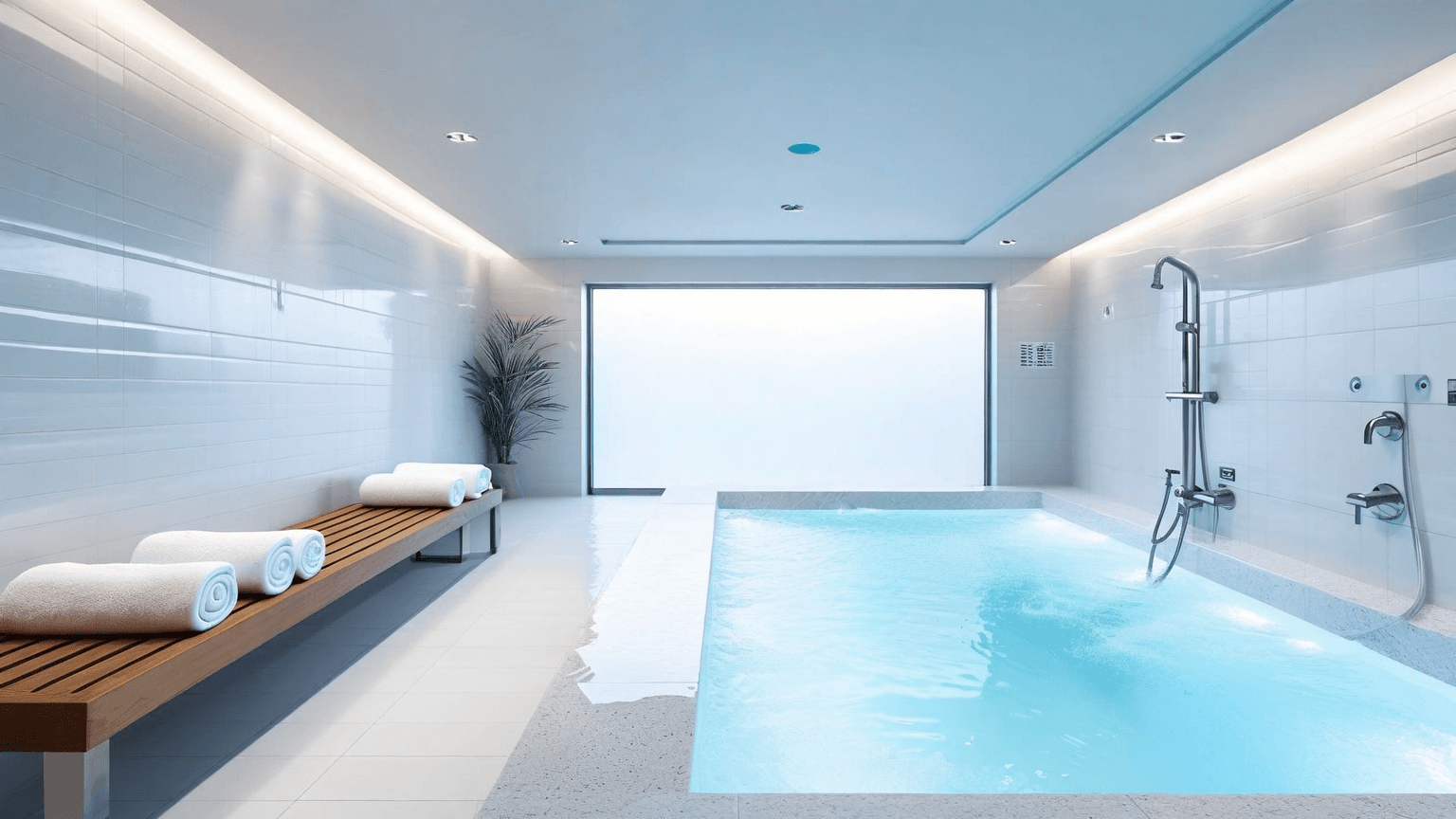
Implementation can range from ice baths and cold showers to natural cold water immersion in lakes or oceans. The key is consistency and proper progression, starting with shorter durations and gradually increasing exposure time as tolerance improves.
Active Recovery Strategies
Active recovery involves low-intensity movement that promotes circulation and tissue repair without adding significant training stress. When implemented correctly, active recovery methods can scrape away 67% more fatigue compared to passive rest alone.
The principle behind active recovery lies in promoting blood flow and lymphatic drainage while maintaining movement patterns and joint mobility. Light aerobic activity at 30-40% of maximum heart rate provides optimal circulation benefits without interfering with recovery processes.
Effective active recovery activities include walking, easy cycling, swimming at low intensity, and dynamic stretching routines. The duration should typically range from 20-45 minutes, depending on fitness level and training load. The key is maintaining an intensity that feels refreshing rather than depleting.
Timing of active recovery sessions is crucial. They're most beneficial 12-24 hours after intense training when initial inflammation has peaked but circulation enhancement can still provide significant benefits.
Innovative Recovery Technologies
Modern recovery science has embraced various technologies and techniques that can dramatically accelerate the recovery process. Gua sha, an ancient technique now backed by modern research, can reduce muscle tension by 84% in just 20 minutes through targeted soft tissue manipulation.
The mechanism involves controlled micro-trauma to fascial layers, promoting increased blood flow and breaking up adhesions that limit tissue quality. When performed with proper technique and tools, gua sha can provide benefits comparable to professional massage therapy.
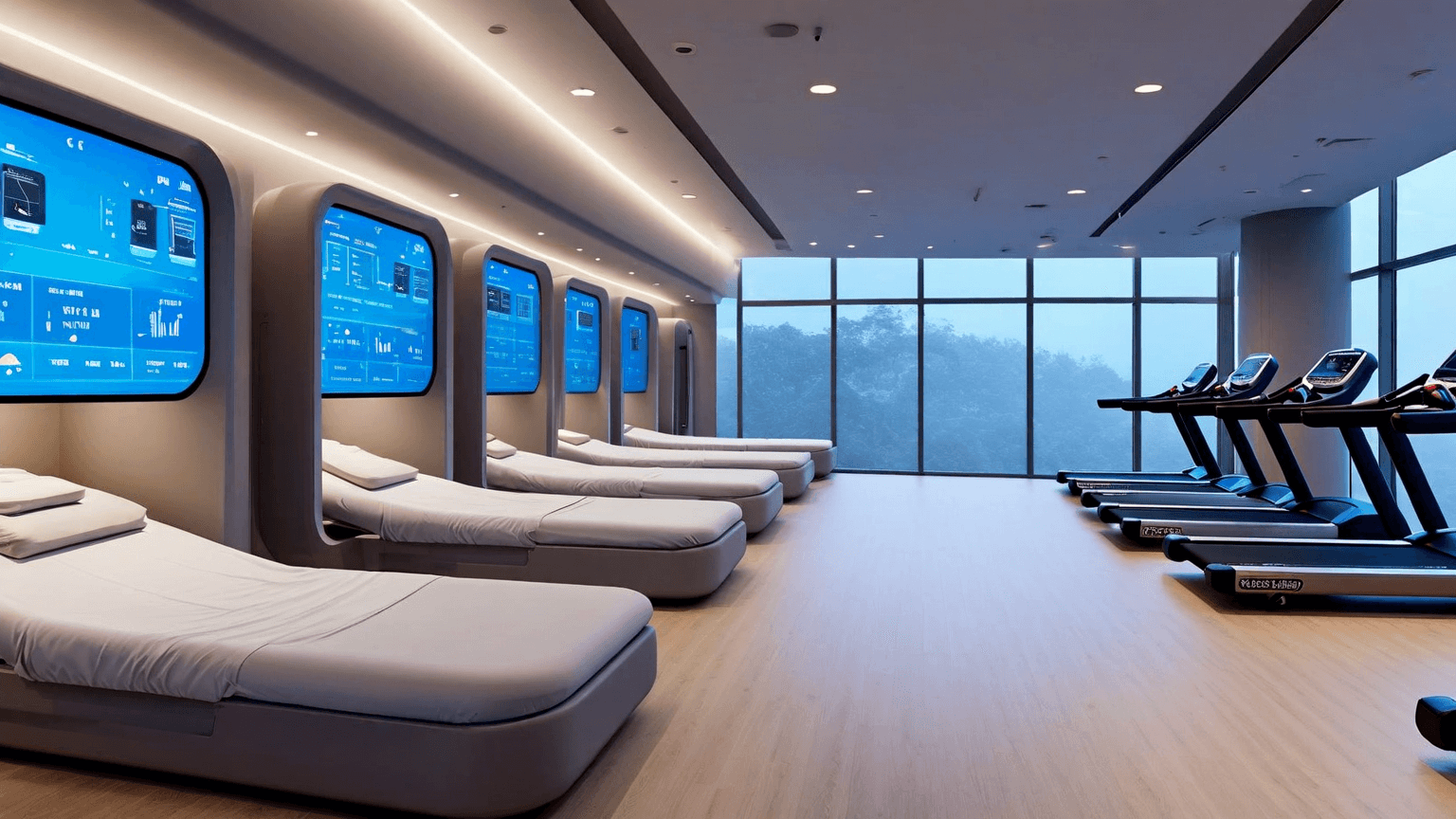
Other emerging technologies include percussion therapy devices, compression systems, and infrared therapy. Each modality works through different mechanisms but shares the common goal of enhancing circulation, reducing inflammation, and accelerating tissue repair.
The key to success with these technologies lies in understanding when and how to apply them. Timing, intensity, and duration must be carefully calibrated based on individual needs and training demands.
Creating Your Personalized Recovery System
The most effective recovery approach combines multiple modalities into a comprehensive system tailored to individual needs, training demands, and lifestyle constraints. This requires understanding which methods provide the greatest benefit for your specific situation and how to sequence them for maximum impact.
Assessment begins with identifying your primary recovery challenges. Are you dealing with persistent muscle soreness, poor sleep quality, chronic fatigue, or slow performance recovery? Different issues require different intervention strategies.
A well-designed recovery system typically includes daily micro-recovery practices, strategic nutrition timing, sleep optimization protocols, and periodic intensive recovery sessions. The system should be sustainable and adaptable, allowing for modifications based on training phases and life demands.
Tracking and monitoring progress is essential for system refinement. Subjective measures like energy levels and soreness ratings, combined with objective markers like heart rate variability and sleep metrics, provide valuable feedback for optimization.