Recovery

Ice Bath Recovery Methods That Work Best for Athletes

Master proven cold water recovery techniques that reduce inflammation by 45% and accelerate muscle repair. The complete guide to ice bath protocols.

Published on February 16, 2026
Ice Bath Recovery Methods That Work Best for Athletes

Your muscles are screaming after yesterday's intense training session, and you're wondering if there's a faster way to bounce back. What if the answer isn't found in expensive supplements or complicated recovery gadgets, but in something as simple as cold water? Ice bath recovery methods have revolutionized how elite athletes approach post-workout healing, and the science behind why they work best is more fascinating than you might expect.

Professional athletes swear by cold water immersion for good reason. Research shows that strategic ice bath protocols can reduce muscle soreness by up to 45% and significantly accelerate the recovery process. But here's the catch: most people are doing it completely wrong, missing out on the profound benefits that proper cold water therapy can deliver.

Why Ice Bath Recovery Methods Work Best for Athletic Performance

The magic of ice bath recovery methods lies in their ability to trigger powerful physiological responses that naturally accelerate healing. When you immerse your body in cold water, several remarkable processes begin immediately. Your blood vessels constrict rapidly, reducing inflammation and metabolic activity in damaged tissues. This vasoconstriction acts like a natural compression system, limiting the inflammatory response that can prolong soreness and delay recovery.

What makes cold water therapy particularly effective is the rebound effect that occurs when you exit the ice bath. As your body rewarms, blood vessels dilate dramatically, creating a pumping action that flushes out metabolic waste products while delivering fresh, oxygen-rich blood to recovering muscles. This process, known as vascular gymnastics, works best when the temperature differential is significant enough to trigger maximum vasoconstriction followed by vasodilation.

The neurological benefits are equally impressive. Cold water immersion activates the sympathetic nervous system, releasing norepinephrine and endorphins that not only reduce pain perception but also enhance mood and mental resilience. Athletes who use ice bath recovery methods consistently report feeling more mentally prepared for subsequent training sessions, suggesting that the benefits extend far beyond physical recovery.

Recent studies have also revealed that cold water therapy can enhance the production of brown adipose tissue, which improves metabolic efficiency and may contribute to better overall energy utilization during recovery periods. This metabolic boost works best when ice bath sessions are performed consistently over time, creating cumulative adaptations that enhance the body's natural recovery mechanisms.

Optimal Ice Bath Protocols That Deliver Maximum Results

The effectiveness of ice bath recovery methods depends entirely on getting the protocol right. Temperature precision is crucial: research indicates that water temperatures between 50-59°F (10-15°C) work best for triggering therapeutic responses without causing excessive stress or potential tissue damage. Many athletes make the mistake of using water that's too cold, which can actually impair recovery by causing excessive vasoconstriction that limits beneficial blood flow.

Timing is equally critical for optimal results. The sweet spot for ice bath duration appears to be 10-15 minutes for most individuals, though this can vary based on body composition, cold tolerance, and training intensity. Sessions shorter than 8 minutes may not provide sufficient stimulus for meaningful physiological adaptations, while sessions longer than 20 minutes can lead to excessive stress responses that counteract recovery benefits.

When it comes to timing your ice bath sessions, the research suggests that immediate post-exercise immersion works best for reducing inflammation and muscle damage. However, if your primary goal is strength or hypertrophy adaptation, you might want to delay ice bath use for 4-6 hours after resistance training, as the anti-inflammatory effects can potentially blunt some muscle-building signals.

  • Water temperature: 50-59°F (10-15°C) for optimal therapeutic effect
  • Session duration: 10-15 minutes for most athletes
  • Immersion depth: Chest-deep to maximize surface area exposure
  • Frequency: 2-3 sessions per week during heavy training periods
  • Post-session protocol: Gradual rewarming with light movement

Cold Water Immersion Techniques for Different Recovery Goals

Not all ice bath recovery methods are created equal, and the technique you choose should align with your specific recovery objectives. For acute injury management, shorter, more frequent cold water exposures work best to control inflammation and pain. In these cases, 5-8 minute sessions at slightly warmer temperatures (around 60°F) can provide therapeutic benefits without overwhelming an already stressed system.

Endurance athletes often benefit from contrast therapy protocols that alternate between cold water immersion and warm water or sauna exposure. This approach amplifies the vascular pumping effect, enhancing circulation and waste product removal. A typical contrast protocol might involve 3-4 minutes in cold water followed by 1-2 minutes of warmth, repeated 3-4 times.

For strength athletes focused on power and performance, strategic ice bath timing becomes crucial. Using cold water therapy on recovery days or after low-intensity sessions works best to maintain the benefits without interfering with adaptation signals from high-intensity training. This approach allows you to harness the recovery benefits while preserving the muscle-building responses that intense training stimulates.

Team sport athletes dealing with multiple training sessions or competitions often find that modified ice bath protocols work best for their demanding schedules. Shorter 6-8 minute sessions at moderate temperatures can provide meaningful recovery benefits without the time commitment or extreme stress of longer protocols, making them more sustainable during competitive seasons.

DIY Ice Bath Setup That Works Best on Any Budget

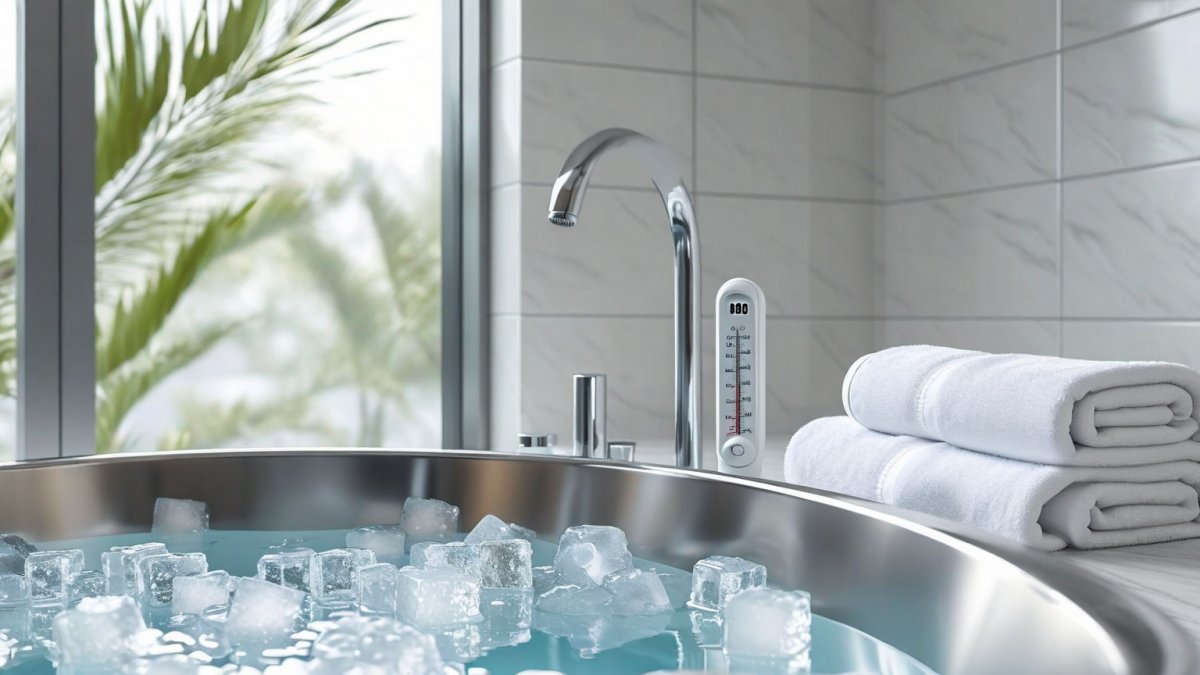
You don't need expensive equipment to implement effective ice bath recovery methods. A standard bathtub filled with cold water and ice works perfectly well for most athletes. The key is achieving consistent temperature control and having enough water volume to maintain cold temperatures throughout your session. Plan on using approximately 20-30 pounds of ice for a standard bathtub, depending on your tap water temperature.

For outdoor enthusiasts, large livestock water tanks or inflatable pools offer excellent alternatives that work best for taller athletes or those who prefer more space during immersion. These options typically hold temperature better than bathtubs and can accommodate multiple users, making them ideal for teams or training groups.

Temperature monitoring is essential for safety and effectiveness. A reliable waterproof thermometer ensures you're hitting the optimal temperature range consistently. Many athletes find that digital thermometers with alarms work best for maintaining awareness of both water temperature and session duration.

  1. Fill your container with cold tap water to chest depth when seated
  2. Add ice gradually while monitoring temperature with a reliable thermometer
  3. Aim for 50-59°F (10-15°C) before entering the water
  4. Enter slowly and focus on controlled breathing to manage the initial shock
  5. Stay immersed for 10-15 minutes while monitoring your response
  6. Exit gradually and rewarm naturally with light movement

Safety Considerations and When Ice Baths Work Best

While ice bath recovery methods are generally safe for healthy individuals, certain precautions ensure you maximize benefits while minimizing risks. Never use ice baths if you have cardiovascular conditions, Raynaud's disease, or cold urticaria without medical clearance. The dramatic physiological responses that make cold water therapy effective can also pose risks for individuals with certain health conditions.

Hypothermia prevention should always be a priority. Signs of excessive cooling include uncontrollable shivering, confusion, or loss of coordination. Having a warm environment for post-session recovery and someone nearby during your first few sessions works best for ensuring safety while you develop cold tolerance.

Timing considerations extend beyond just workout scheduling. Ice bath recovery methods work best when you're well-hydrated, well-fed, and not sleep-deprived. These factors affect your body's ability to regulate temperature and respond appropriately to cold stress. Avoid ice baths when you're feeling unwell, as the additional stress can impair immune function and delay recovery from illness.

Gradual progression is crucial for developing cold tolerance safely. Start with shorter durations and warmer temperatures, gradually working toward optimal protocols as your body adapts. Most athletes find that 2-3 weeks of consistent practice allows them to comfortably tolerate the temperatures and durations that work best for recovery benefits.

Maximizing Ice Bath Benefits Through Proper Nutrition and Timing

The effectiveness of ice bath recovery methods can be significantly enhanced through strategic nutrition timing. Consuming anti-inflammatory foods before and after cold water immersion appears to work best for amplifying recovery benefits. Omega-3 rich foods, tart cherry juice, and foods high in antioxidants can complement the anti-inflammatory effects of cold therapy.

Post-ice bath nutrition timing is particularly important. Your metabolism increases significantly during rewarming, creating an optimal window for nutrient uptake. Consuming a balanced meal with quality protein and complex carbohydrates within 30-60 minutes after your session works best for supporting the recovery processes that cold therapy initiates.

Hydration status dramatically affects how well your body responds to cold water immersion. Dehydration can impair circulation and temperature regulation, reducing the effectiveness of ice bath protocols. Ensuring adequate hydration before, during, and after cold therapy sessions works best for maintaining the vascular responses that drive recovery benefits.

Certain supplements may enhance the benefits of ice bath recovery methods. Magnesium supports muscle relaxation and can help manage the stress response to cold exposure. Vitamin D plays a role in muscle function and recovery, while adequate B-vitamin status supports the energy demands of temperature regulation during cold water immersion.

Common Ice Bath Mistakes That Sabotage Recovery

Many athletes unknowingly undermine their ice bath recovery methods through common mistakes that reduce effectiveness or create unnecessary risks. Using water that's too cold is perhaps the most frequent error. Temperatures below 45°F (7°C) can cause excessive vasoconstriction that actually impairs the circulation benefits that make cold therapy effective.

Staying in too long is another mistake that works against recovery goals. Extended exposure beyond 20 minutes can trigger stress responses that counteract the beneficial effects of cold therapy. Your body begins producing stress hormones that can impair sleep quality and increase inflammation, essentially negating the recovery benefits you're seeking.

Poor breathing technique during ice bath sessions significantly reduces their effectiveness. Panic breathing or breath-holding creates additional stress and prevents the parasympathetic activation that works best for recovery. Learning controlled breathing techniques before attempting ice baths helps you stay calm and maximize the therapeutic benefits.

Inconsistent protocols represent another common pitfall. Randomly varying temperature, duration, or timing prevents your body from adapting optimally to cold therapy. The recovery methods that work best involve consistent application over time, allowing your physiological systems to develop efficient responses to cold exposure.

  • Avoid water temperatures below 45°F (7°C) to prevent excessive vasoconstriction
  • Don't exceed 20 minutes to avoid counterproductive stress responses
  • Never use ice baths immediately after strength training if hypertrophy is your goal
  • Don't rush the entry or exit process - gradual transitions work best
  • Avoid ice baths when sick, dehydrated, or sleep-deprived

Advanced Ice Bath Protocols for Elite Performance

Elite athletes often employ sophisticated ice bath recovery methods that go beyond basic cold water immersion. Pulsed cold therapy involves alternating between different temperatures within a single session, creating more dynamic vascular responses. This technique works best for athletes who have developed significant cold tolerance and need enhanced recovery protocols.

Breathing protocols during ice bath sessions can amplify recovery benefits significantly. Techniques like the Wim Hof method, which combines specific breathing patterns with cold exposure, appear to enhance stress resilience and recovery capacity. These advanced methods work best when learned progressively under proper guidance.

Some elite athletes incorporate movement during ice bath sessions to enhance circulation and maintain core temperature. Gentle movements like arm circles or isometric contractions can help manage the cold stress while potentially improving the therapeutic effects. However, these techniques require experience and should only be attempted after mastering basic ice bath protocols.

Recovery tracking becomes crucial when implementing advanced ice bath recovery methods. Monitoring metrics like heart rate variability, sleep quality, and subjective recovery scores helps determine which protocols work best for individual athletes. This data-driven approach allows for precise adjustments that optimize recovery while preventing overuse of cold therapy.

Ice bath recovery methods represent one of the most powerful and accessible tools in an athlete's recovery arsenal. When implemented correctly, cold water therapy can dramatically reduce recovery time, enhance performance, and build mental resilience. The key lies in understanding that the protocols that work best are those applied consistently, safely, and with attention to individual response patterns. Whether you're a weekend warrior or elite competitor, mastering these evidence-based ice bath techniques can transform your recovery and unlock new levels of athletic performance.

Frequently Asked Questions

Get quick answers to common questions about this topic.

Usage & Application

Comparisons

Safety & Side Effects

Benefits & Effects

Related Superfood & Nutrition Articles

Discover more expert insights on superfoods and nutrition

Superfood Nutrition: Fuel Your Body, Feed Your Mind

Superfood Insights is your premier source for superfood nutrition, health optimization, and wellness strategies. We deliver guidance on superfoods, fitness nutrition, and mental well-being—helping you make informed health decisions every day.

From unlocking the power of superfoods and antioxidants to building effective nutrition plans and maintaining cognitive health, we transform complex nutritional science into actionable wellness strategies. Our mission is clear: provide you with the tools to achieve optimal health, enhanced performance, and sustainable wellness through superfood nutrition.

Stay Connected

Get weekly updates on superfood trends, nutrition research, and wellness tips.

We respect your privacy. Unsubscribe at any time.