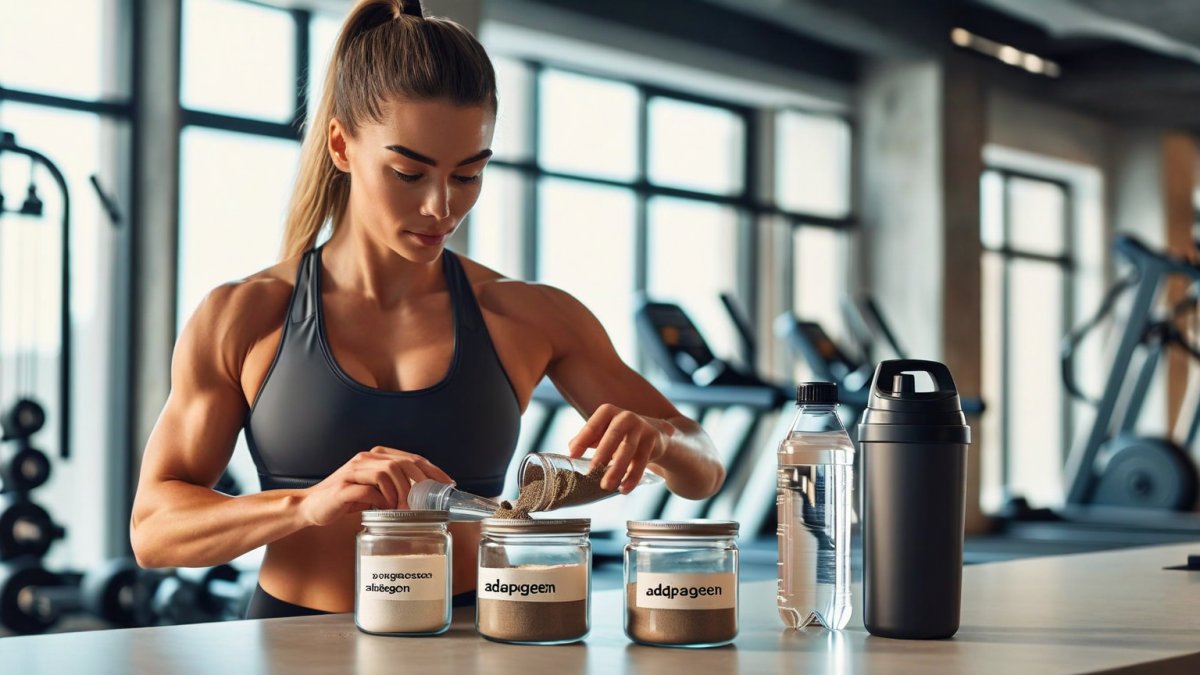
Can Herbs Really Improve Your Athletic Performance?
Look, here's the thing: I can't tell you how many times I've had clients ask me about the latest miracle supplement. But sometimes the most powerful performance enhancers aren't found in a shiny new tub of protein powder. They're actually ancient herbs that have been used for centuries. I'm talking about adaptogens. And let me tell you, the science behind these plants is starting to blow my mind.
What Exactly Are Adaptogens?
Adaptogens are plant compounds that help regulate your body's stress response system, specifically the hypothalamic-pituitary-adrenal (HPA) axis. Unlike stimulants that force your body into overdrive, adaptogens work more subtly to restore balance.
For athletes, this could translate into several potential benefits:
- Better oxygen utilization during intense training
- Improved stress hormone regulation
- Faster recovery between sessions
- Enhanced sleep quality
- Increased mental focus
What's intriguing about adaptogens is their bidirectional effects. They can energize you when you're fatigued and calm you when you're overstimulated. It's this balancing act that makes them so interesting for athletic performance.
Rhodiola Rosea: The Endurance Enhancer
Let's start with Rhodiola rosea, often called the "golden root." This Arctic herb has been the subject of numerous studies on endurance and fatigue reduction. Here's what the research shows:
- Can increase time to exhaustion during endurance activities by up to 24%
- May reduce perceived exertion during high-intensity training
- Appears to improve oxygen uptake at the cellular level
The optimal dosage for athletic performance typically ranges from 200-400mg daily, taken about 30 minutes before training. Look for standardized extracts containing 3% rosavins and 1% salidroside for best results.
I've had clients, particularly cyclists and marathon runners, report noticeable improvements in their ability to maintain pace during long sessions after supplementing with rhodiola for 4-6 weeks. But remember, individual responses can vary.
Ashwagandha: Supporting Strength and Recovery
Ashwagandha (Withania somnifera) is another adaptogen that's caught the attention of strength athletes. This Ayurvedic herb shows promise for both performance enhancement and recovery support. Here's what some of the clinical studies have found:
- May increase muscle mass and strength gains by up to 15% compared to placebo
- Seems to reduce exercise-induced muscle damage and inflammation
- Can lower cortisol levels by 27-30%, potentially protecting against overtraining
- Might improve testosterone levels in male athletes (though more research is needed here)
For optimal results, most studies have used 300-600mg of KSM-66 ashwagandha extract daily, preferably with meals. This patented form has the most robust research backing.
In my practice, strength athletes often report improved recovery between sets and reduced delayed onset muscle soreness (DOMS) when using ashwagandha consistently for 8-12 weeks. But as always, these effects can be quite individual.


