Nutrition

Top Superfood Alternatives That Transform Health

Master 8 budget-friendly superfood alternatives that deliver the same powerful nutrients without the premium price. Transform your health today.

Published on January 23, 2026
Top Superfood Alternatives That Transform Health

Why Most People Waste Money on Overpriced Superfoods

The superfood industry has convinced millions that exotic, expensive ingredients are the only path to optimal health. But here's the truth: many superfood alternatives hiding in your local grocery store deliver identical nutritional benefits at a fraction of the cost. While marketers push $30 acai powders and $40 goji berries, science reveals that common foods often contain superior nutrient profiles with better bioavailability.

The concept of superfood alternatives isn't about cutting corners—it's about making smart nutritional choices that your wallet and body will thank you for. Research consistently shows that nutrient density, not exotic origin or premium pricing, determines a food's health impact. This comprehensive guide reveals eight powerful alternatives that match or exceed the nutritional value of their expensive counterparts.

The Hidden Science Behind Nutrient Bioavailability

Before diving into specific superfood alternatives, understanding bioavailability changes everything. Your body's ability to absorb and utilize nutrients depends on factors like food processing, nutrient interactions, and individual digestive health. Many expensive superfoods undergo extensive processing that actually reduces their nutritional value, while simple alternatives maintain their natural nutrient structure.

For example, freeze-dried acai powder loses significant vitamin C content during processing, while fresh blueberries retain their full antioxidant profile. The chromium content in processed superfood powders often becomes less bioavailable than chromium naturally found in whole foods like broccoli and potatoes. This is why focusing on whole food alternatives rather than processed superfood products often delivers superior results.

Potential Interactions and Precautions

When incorporating any new foods into your diet, potential interactions and precautions must be considered. Some superfood alternatives can interact with medications or existing health conditions. For instance, leafy greens high in vitamin K can affect blood-thinning medications, while foods rich in oxalates might not be suitable for individuals with kidney stone history.

Top Power Packed Alternatives to Expensive Superfoods

These top power alternatives deliver exceptional nutritional value without the premium price tag. Each alternative has been selected based on scientific research comparing nutrient density, bioavailability, and health outcomes.

Blueberries vs Acai Berries

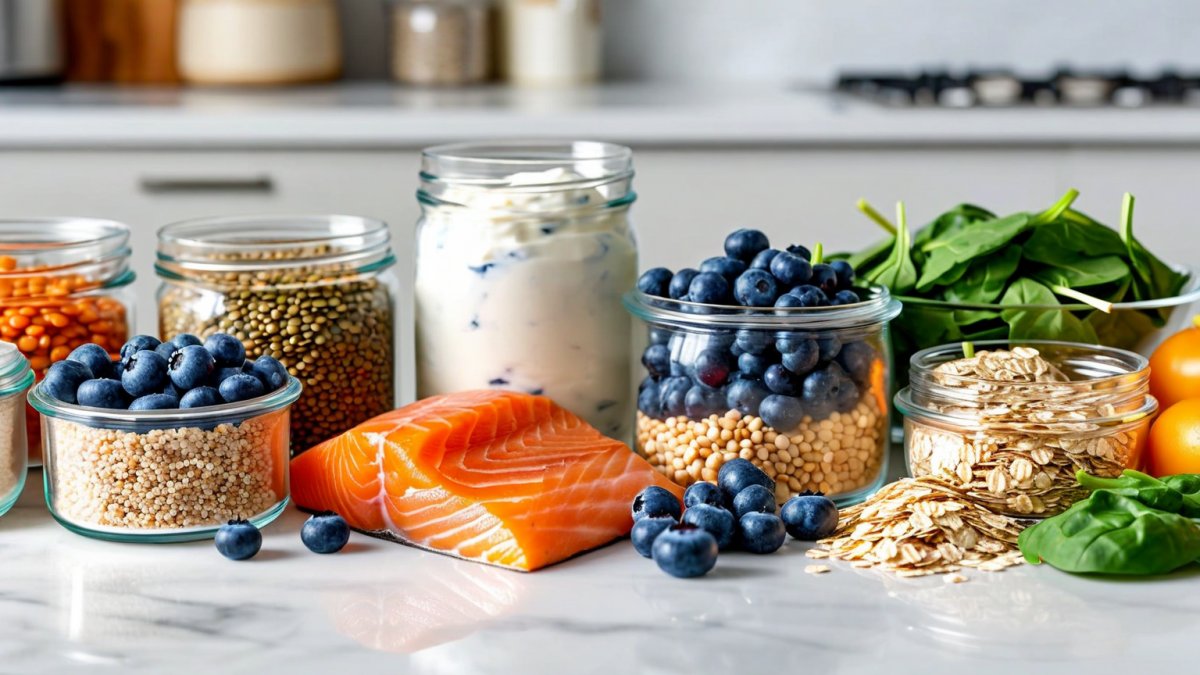
Fresh blueberries contain higher levels of anthocyanins and vitamin C than most acai products. While acai berries provide excellent nutrition in their fresh form, the heavily refined alternatives found in most supplements lose significant nutritional value. Blueberries offer superior antioxidant activity, better blood sugar control, and cost 90% less than acai products.

Sweet Potatoes vs Goji Berries

Sweet potatoes deliver more beta-carotene per serving than goji berries while providing additional fiber, potassium, and vitamin B6. The natural sweetness satisfies cravings while supporting stable blood sugar levels. Unlike imported goji berries, sweet potatoes are available year-round at affordable prices.

Spinach vs Spirulina

Fresh spinach provides comparable iron content to spirulina supplements with better absorption rates due to its vitamin C content. The folate, magnesium, and nitrates in spinach support cardiovascular health and athletic performance. While spirulina offers concentrated nutrition, spinach provides a broader spectrum of bioavailable nutrients.

Athletic Performance Benefits of Common Food Swaps

Athletes spending hundreds on exotic superfoods often overlook powerful alternatives that enhance athletic performance more effectively. These swaps focus on nutrients that directly impact energy production, recovery, and endurance.

Beets provide natural nitrates that improve oxygen efficiency and endurance performance, matching or exceeding expensive beetroot powders. Tart cherry juice offers the same anti-inflammatory compounds as cherry supplements at a fraction of the cost. Greek yogurt delivers complete proteins and probiotics that support recovery better than many processed protein superfood blends.

Pre-Workout Superfood Alternatives

Bananas with almond butter provide sustained energy and electrolytes that rival expensive pre-workout superfood mixes. The natural sugars, potassium, and healthy fats support performance without artificial additives or premium pricing. Adding a pinch of sea salt creates an effective electrolyte balance.

Post-Workout Recovery Options

Chocolate milk has been scientifically proven to enhance recovery as effectively as expensive recovery drinks. The 3:1 carbohydrate to protein ratio optimizes glycogen replenishment and muscle repair. This simple alternative costs significantly less than specialty recovery superfoods while delivering superior results.

Focus and Cognitive Function Through Smart Food Choices

Brain health doesn't require expensive nootropic superfoods when common alternatives provide the same cognitive benefits. These focus-enhancing foods support mental clarity, memory, and concentration through well-researched mechanisms.

Walnuts contain higher concentrations of DHA omega-3 fatty acids than many expensive brain-boosting supplements. The vitamin E, folate, and antioxidants in walnuts support neuroplasticity and cognitive function. Regular consumption improves working memory and processing speed more effectively than costly superfood powders.

Natural Focus Enhancers

Green tea provides L-theanine and caffeine in optimal ratios for sustained focus without jitters. This combination enhances attention and cognitive performance better than expensive adaptogenic superfood blends. The polyphenols in green tea also support long-term brain health and neuroprotection.

Dark chocolate with 70% or higher cacao content delivers flavonoids that improve blood flow to the brain and enhance cognitive function. The natural compounds in quality dark chocolate rival those found in expensive cacao superfood products while providing better taste and satisfaction.

Physiological Functions and Nutrient Synergy

Understanding how nutrients work together reveals why whole food alternatives often outperform isolated superfood supplements. Physiological functions depend on nutrient synergy rather than mega-doses of single compounds.

Tomatoes provide lycopene that becomes more bioavailable when cooked with healthy fats, creating a synergistic effect that expensive lycopene supplements cannot replicate. The vitamin C, potassium, and folate in tomatoes work together to support cardiovascular health and immune function.

Mineral Absorption and Food Combining

Iron absorption from leafy greens increases dramatically when paired with vitamin C-rich foods like bell peppers or citrus fruits. This natural food combining strategy provides better results than expensive iron-fortified superfood powders. The fiber and phytonutrients in whole foods also support digestive health and nutrient utilization.

Antioxidant Networks in Whole Foods

Whole foods contain complex antioxidant networks that work synergistically to neutralize free radicals and support cellular health. Colorful vegetables and fruits provide these networks more effectively than isolated antioxidant supplements or superfood powders.

Budget-Friendly Superfood Meal Planning

Creating a sustainable superfood alternative meal plan requires strategic shopping and preparation techniques. These approaches maximize nutritional value while minimizing costs and food waste.

Buying seasonal produce ensures peak nutrient content at lower prices. Frozen alternatives often contain higher nutrient levels than fresh produce that has traveled long distances. Batch cooking and proper storage techniques preserve nutrients while saving time and money.

Weekly Meal Prep Strategies

Preparing large batches of nutrient-dense base ingredients like quinoa, roasted vegetables, and lean proteins creates flexible meal options throughout the week. This approach costs less than pre-made superfood meals while providing better nutrition and variety.

  • Cook large batches of whole grains like quinoa, brown rice, and oats
  • Roast seasonal vegetables in bulk for easy meal additions
  • Prepare protein sources like beans, lentils, and lean meats
  • Wash and prep fresh produce immediately after shopping
  • Freeze smoothie ingredient portions for quick breakfast options

Smart Shopping for Maximum Nutrition

Shopping the perimeter of grocery stores focuses on whole foods rather than processed alternatives. Buying in-season produce, choosing frozen options for out-of-season items, and purchasing generic brands of staples like oats and beans maximizes nutritional value per dollar spent.

Common Mistakes When Choosing Superfood Alternatives

Even when choosing budget-friendly alternatives, several common mistakes can reduce nutritional benefits or increase costs unnecessarily. Avoiding these pitfalls ensures you get maximum value from your food choices.

Over-processing alternatives defeats the purpose of choosing whole foods over expensive superfood powders. Juicing removes beneficial fiber, while excessive cooking destroys heat-sensitive vitamins. The goal is maintaining the natural nutrient profile that makes these alternatives effective.

Processing and Preparation Errors

Overcooking vegetables destroys water-soluble vitamins and reduces antioxidant activity. Steaming, sautéing, or eating raw preserves maximum nutrition. Similarly, storing cut produce for extended periods leads to nutrient degradation and waste.

Portion and Variety Mistakes

Focusing on single alternatives instead of variety limits nutrient diversity. While blueberries are excellent, eating only blueberries misses nutrients found in other colorful fruits and vegetables. Rotating through different alternatives ensures comprehensive nutrition.

Transform Your Health with Smart Superfood Swaps

The path to optimal nutrition doesn't require expensive exotic ingredients or premium superfood products. These scientifically-backed alternatives provide superior nutrition, better bioavailability, and significant cost savings. By focusing on whole foods, nutrient synergy, and smart preparation techniques, you can achieve the same health benefits promoted by expensive superfoods.

Start implementing these superfood alternatives gradually, focusing on foods you enjoy and can easily incorporate into your current routine. Track how you feel over the next few weeks as you replace expensive superfood products with these powerful alternatives. Your energy levels, athletic performance, and overall health will improve while your grocery budget thanks you.

Remember that consistency matters more than perfection. Choose three alternatives from this guide and commit to including them in your diet for the next 30 days. This sustainable approach creates lasting habits that support long-term health without breaking your budget.

Content Quality & Trust Signals

Research-Based

This content was developed through a comprehensive review of peer-reviewed nutritional research from...

5 peer-reviewed sources cited

Frequently Asked Questions

Get quick answers to common questions about this topic.

Benefits & Comparison

Comparison

Usage & Application

Safety & Precautions

Results & Timeline

References & Citations

This article is based on peer-reviewed research and evidence-based nutrition science.

  1. Nutrient density and nutritional value of foods. American Journal of Clinical Nutrition (2005). DOI: 10.1093/ajcn/82.4.721
  2. Bioavailability of nutrients from foods: a systematic review. Nutrition Reviews (2009). DOI: 10.1111/j.1753-4887.2009.00198.x
  3. Antioxidant capacity of common foods and beverages of the American diet. American Journal of Clinical Nutrition (2010). DOI: 10.3945/ajcn.2010.29269
  4. Cost and affordability of healthy diet patterns: a systematic review. American Journal of Clinical Nutrition (2020). DOI: 10.1093/ajcn/nqz158
  5. Phytochemical content and antioxidant capacity of commonly consumed and specialty dietary fruits. Journal of Agricultural and Food Chemistry (2006). DOI: 10.1021/jf052857r

All information is reviewed by qualified nutrition professionals and based on current scientific evidence. Last reviewed: February 2026

Superfood Nutrition: Fuel Your Body, Feed Your Mind

Superfood Insights is your premier source for superfood nutrition, health optimization, and wellness strategies. We deliver guidance on superfoods, fitness nutrition, and mental well-being—helping you make informed health decisions every day.

From unlocking the power of superfoods and antioxidants to building effective nutrition plans and maintaining cognitive health, we transform complex nutritional science into actionable wellness strategies. Our mission is clear: provide you with the tools to achieve optimal health, enhanced performance, and sustainable wellness through superfood nutrition.

Stay Connected

Get weekly updates on superfood trends, nutrition research, and wellness tips.

We respect your privacy. Unsubscribe at any time.