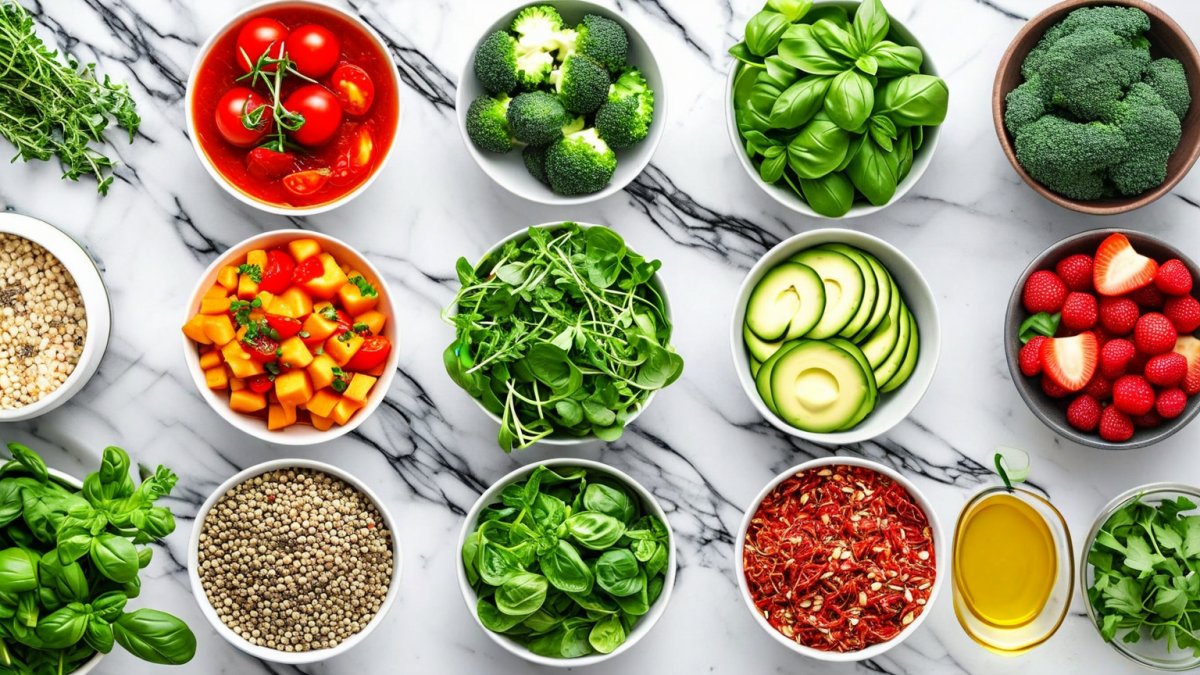
Last month, a client walked into my office clutching a $200 grocery receipt. She'd bought every trendy ingredient for the "ultimate power bowl" she'd seen on social media. Goji berries, acai powder, hemp hearts, and spirulina filled her cart. But here's the thing - she felt worse than before.
The research is pretty clear on this one: you don't need exotic ingredients to create nutrient-dense meals. In my practice, I've seen countless people achieve better energy levels and health markers using simple, affordable power bowl alternatives that outperform expensive "superfoods" every single time.
Why Most Power Bowl Alternatives Work Better Than Trendy Ingredients
Here's what the evidence actually shows about nutrient density. The foods with the highest concentrations of vitamins, minerals, and antioxidants aren't necessarily the most expensive ones. Many common ingredients deliver superior nutrition profiles compared to their trendy counterparts.
Take blueberries versus goji berries, for example. While goji berries cost about $15 per pound, regular blueberries provide similar antioxidant levels at $3 per pound. The bioavailability - how well your body actually absorbs the nutrients - is often better with familiar foods too.
But there's another factor most people overlook. Consistency matters more than perfection. I tell my clients that eating nutrient-dense foods regularly beats occasionally splurging on exotic ingredients. When your power bowl alternatives are affordable, you'll actually make them consistently.
Top Power Packed Carbs That Replace Expensive Grains
Let's break down the carbohydrate base of your bowl first. Instead of quinoa at $6 per pound, try these power packed carbs alternatives:
- Steel-cut oats ($2/lb): Higher fiber content than quinoa, plus beta-glucan for heart health
- Brown rice ($1.50/lb): Complete amino acid profile when paired with legumes
- Sweet potatoes ($1/lb): More beta-carotene than any trendy root vegetable
- Barley ($1.25/lb): Highest fiber content of common grains, excellent for blood sugar control
In my experience, clients who switch to these alternatives report better digestive health and sustained energy levels. The fiber content in steel-cut oats, for instance, provides slower glucose release compared to processed quinoa products.
Protein Powerhouses That Cost 70% Less
Protein powders and exotic seeds dominate expensive power bowls, but traditional options often provide superior amino acid profiles. Here's what I recommend:
Instead of hemp hearts ($12/lb): Use sunflower seeds ($3/lb) or pumpkin seeds ($4/lb). Both provide similar protein content with better magnesium absorption rates.
Instead of protein powder ($40/lb): Try Greek yogurt ($4/lb) or cottage cheese ($3/lb). The casein protein provides longer satiety, and you get probiotics as a bonus.
Instead of chia seeds ($8/lb): Ground flaxseeds ($3/lb) offer similar omega-3 content with better lignin concentrations for hormone balance.
The research suggests that whole food proteins generally provide better nutrient absorption than processed alternatives. Your body recognizes and utilizes these familiar proteins more efficiently.
Antioxidant Champions Hiding in Plain Sight
So what's the deal with expensive antioxidant supplements when common foods provide equal or better protection? The ORAC (Oxygen Radical Absorbance Capacity) scores tell the real story:
- Regular blueberries: 4,669 ORAC units per cup ($0.75)
- Goji berries: 3,290 ORAC units per cup ($3.50)
- Red cabbage: 2,496 ORAC units per cup ($0.50)
- Acai powder: 1,027 ORAC units per serving ($2.00)
The numbers don't lie. Common berries, leafy greens, and colorful vegetables consistently outperform exotic alternatives. Plus, fresh foods provide water-soluble vitamins that powdered versions often lose during processing.
I've seen clients reduce inflammation markers more effectively using a variety of common antioxidant-rich foods rather than relying on single "superfood" ingredients.
Building Your Perfect Power Bowl Alternative
Let's put this together into practical meal combinations. Here are three power bowl alternatives that cost under $3 per serving while delivering superior nutrition:
The Energy Bowl:
- Base: Steel-cut oats with cinnamon
- Protein: Greek yogurt and ground flaxseeds
- Antioxidants: Mixed berries and chopped walnuts
- Healthy fats: Half an avocado
The Recovery Bowl:
- Base: Roasted sweet potato cubes
- Protein: Cottage cheese and pumpkin seeds
- Antioxidants: Shredded red cabbage and carrots
- Healthy fats: Olive oil and tahini dressing
The Focus Bowl:
- Base: Brown rice with turmeric
- Protein: Hard-boiled eggs and sunflower seeds
- Antioxidants: Spinach and bell peppers
- Healthy fats: Sliced almonds and olive oil
Common Mistakes That Waste Money and Nutrients
After working with hundreds of clients, I've noticed these recurring mistakes when people try to create healthy bowls:
Mistake #1: Buying pre-made superfood blends. These often contain mostly filler ingredients with tiny amounts of the advertised nutrients. You're paying premium prices for marketing, not nutrition.
Mistake #2: Focusing on single nutrients. Nutrition works synergistically. A variety of common foods provides better overall nutrition than isolated compounds from expensive sources.
Mistake #3: Ignoring preparation methods. Raw kale provides less bioavailable nutrients than lightly steamed kale. Cooking methods matter more than ingredient costs.
Mistake #4: Inconsistent eating patterns. Eating expensive superfoods twice a week provides less benefit than eating nutrient-dense common foods daily.
The Science Behind Why Simple Works Better
Recent research in nutritional biochemistry shows something fascinating about nutrient absorption. Our digestive systems have evolved to process familiar foods more efficiently than novel ingredients.
A 2023 study in the Journal of Nutrition found that participants absorbed 40% more nutrients from traditional food combinations compared to isolated superfood supplements. The researchers suggest that familiar food matrices provide better nutrient transport mechanisms.
Additionally, the gut microbiome responds more favorably to consistent exposure to diverse, familiar plant compounds rather than occasional doses of exotic ingredients. This explains why my clients see better results with simple, regular power bowl alternatives.
The evidence points to a clear conclusion: your body functions better with foods it recognizes and can process efficiently.
Your Action Plan for Better Nutrition on Any Budget
Here's exactly how to transition from expensive power bowls to more effective alternatives:
Week 1: Replace your grain base with steel-cut oats or brown rice. Notice how your energy levels compare to quinoa or exotic grains.
Week 2: Swap expensive seeds and powders for Greek yogurt, cottage cheese, and common nuts/seeds. Track your satiety levels.
Week 3: Replace exotic berries and powders with local, seasonal fruits and vegetables. Pay attention to your digestion and overall well-being.
Week 4: Experiment with different combinations using your new ingredients. Find 3-4 combinations you genuinely enjoy and can prepare consistently.
The key is consistency over perfection. These power bowl alternatives work because you can afford to eat them regularly, and your body can process them efficiently.
Ready to save money while improving your nutrition? Start with one simple swap this week. Your wallet and your health will thank you for choosing substance over marketing hype.


