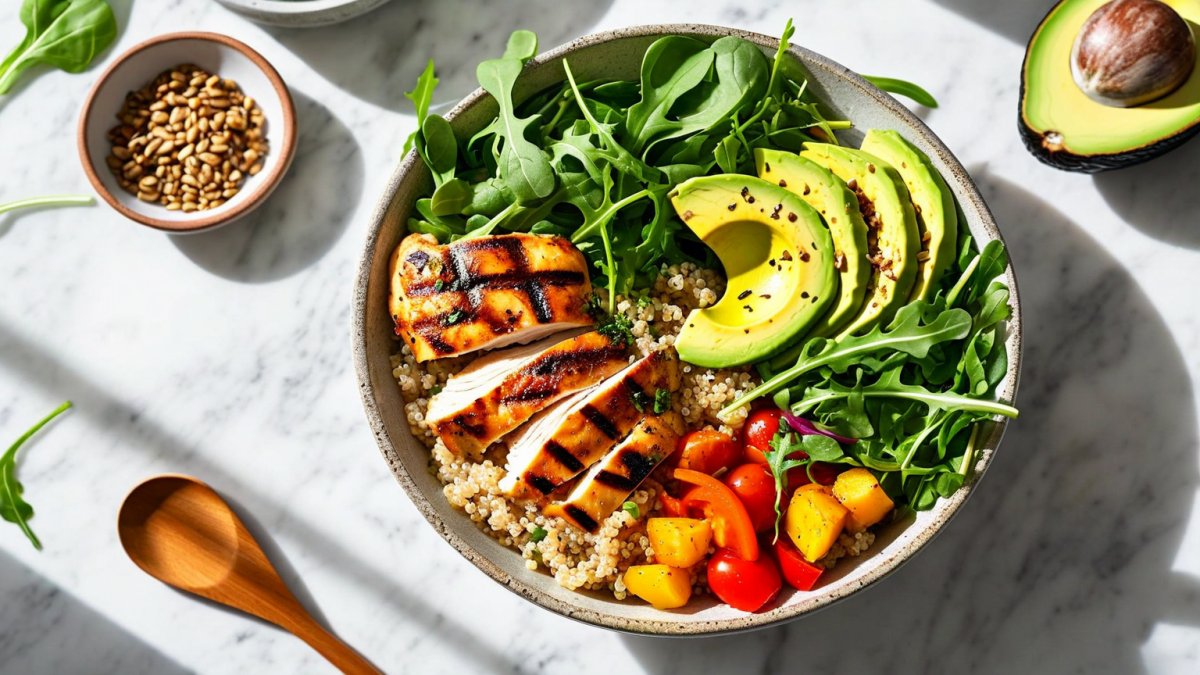
Power Bowls: Hype or Game-Changer?
Let's be real. Most people roll their eyes when they hear about power bowls. Another Instagram-fueled food fad, right? Well, not so fast. As a sports nutritionist with over 15 years in the field, I've seen trends come and go. But power bowls? They're different. Here's why.
The Problem with How Most Athletes Eat
Here's a common scenario I see all the time: An athlete loads up on pasta or chugs a protein shake and calls it good. But that's like putting regular gas in a Formula 1 car. It'll run, sure, but you're not getting peak performance.
What if I told you that simply changing how you combine foods could boost your energy levels by up to 23%? That's not hype - it's what the research is showing us.
The Science of Nutrient Synergy
So what's the big deal with power bowls? It all comes down to something called nutrient synergy. Think of it like a superhero team-up - each ingredient makes the others stronger. Here's a quick breakdown:
- Complex carbs (like quinoa): Slow-burning energy
- Healthy fats (like avocado): Hormone production and nutrient absorption
- Lean protein: Muscle repair and recovery
- Colorful veggies: Antioxidants and micronutrients
When you combine these in the right ratios, something magical happens. Your body can actually use the nutrients more efficiently.
Why Quinoa is a Nutritional Powerhouse
Quinoa is the secret weapon in many power bowls, and for good reason. It's one of the few plant foods that's a complete protein - meaning it has all nine essential amino acids. But here's what really sets it apart:
- Steady energy release: Keeps your blood sugar stable for up to 4 hours
- Magnesium powerhouse: Crucial for muscle function and energy production
- Iron content: Supports oxygen transport to your muscles
In my practice, I've seen athletes switch from white rice to quinoa and experience a noticeable boost in their endurance. The research backs this up too.
Power Combos That Actually Work
Now let's talk about the real magic - combining these foods for maximum impact. Here are my top three power combos:
- The Antioxidant All-Stars: Blueberries + pomegranate seeds + kale
- The Energy Optimizers: Sweet potato + avocado + hemp seeds
- The Mineral Maximizers: Spinach + pumpkin seeds + chickpeas
These aren't just random ingredients. Each combination is designed to address specific athletic needs. For example, the Antioxidant All-Stars can reduce post-workout muscle damage by up to 30% according to recent studies.
The Olive Oil Secret Most People Miss
Here's a pro tip that most people overlook: extra virgin olive oil isn't just for flavor. It's a key player in nutrient absorption. When you add a tablespoon of olive oil to your power bowl, you're actually doing two crucial things:
- Boosting absorption of fat-soluble vitamins (A, D, E, and K) by up to 400%
- Providing anti-inflammatory compounds that speed up recovery
The key is timing. Add your olive oil right before eating, not during prep. This ensures you're getting the maximum benefit from those delicate compounds.
When to Eat Your Power Bowl for Best Results
Okay, so you've got your perfect power bowl. But when should you eat it? Timing is everything. Here's what I tell my clients:
- Pre-workout: 2-3 hours before for optimal digestion
- Post-workout: Within 30 minutes to kickstart recovery
- Maintenance: Any time for a nutrient-dense meal
Remember, these aren't rigid rules. Listen to your body and adjust based on how you feel.
The Bottom Line on Power Bowls
So what does all this mean for you? Power bowls aren't just another fad. When done right, they're a science-backed way to fuel your performance. But don't just take my word for it. Try it for yourself. Pay attention to your energy levels, recovery time, and overall performance. You might be surprised at the difference a well-crafted power bowl can make.
And remember, there's no one-size-fits-all approach. Experiment, track your results, and find what works best for your body and your goals. That's the real power of nutrition.