The Surprising Truth About Expensive Superfoods
A recent study from Cornell University dropped a bombshell: most expensive superfoods aren't any more nutritious than their cheaper counterparts. In the words of lead researcher Dr. Jennifer Lee: "We found that many common foods actually outperformed their expensive 'superfood' counterparts in terms of nutrient density and bioavailability."
So, how did we get here? And what does this mean for your health (and your wallet)? Let's break it down.
The Science Behind Nutrient Absorption
Here's the thing: it's not just about what's in your food, but how well your body can actually use it. This is called bioavailability. And it turns out, many of those expensive superfood powders and supplements aren't doing you any favors.
In my practice, I've seen countless patients wasting money on trendy superfoods, only to end up with expensive urine. Why? Because their bodies can't actually absorb all those nutrients in isolation.
Top 7 Cheap Superfood Alternatives
Let's dive into some budget-friendly alternatives that actually deliver on their nutritional promises:
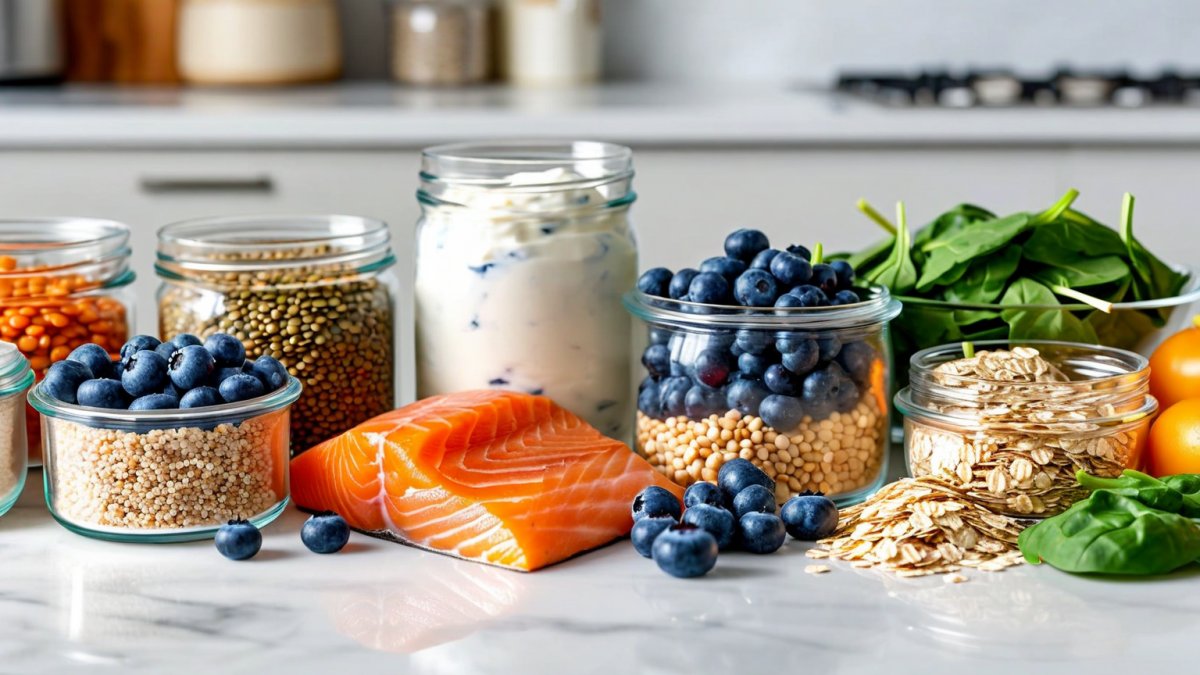
- Blueberries vs. Acai Berries: Fresh blueberries pack more anthocyanins and vitamin C than most acai products. Plus, they're 90% cheaper. The research is pretty clear on this one – blueberries offer superior antioxidant activity and better blood sugar control.
- Sweet Potatoes vs. Goji Berries: Sweet potatoes deliver more beta-carotene per serving than goji berries, plus extra fiber and potassium. They're also available year-round at a fraction of the cost.
- Spinach vs. Spirulina: Fresh spinach offers comparable iron content to spirulina supplements, but with better absorption rates thanks to its vitamin C content. It also provides a broader spectrum of nutrients.
- Beets vs. Beetroot Powders: Whole beets provide natural nitrates that improve oxygen efficiency and endurance performance, often matching or exceeding expensive beetroot powders.
- Tart Cherry Juice vs. Cherry Supplements: Tart cherry juice offers the same anti-inflammatory compounds as cherry supplements at a fraction of the cost. It's especially beneficial for athlete recovery.
- Greek Yogurt vs. Protein Supplements: Greek yogurt delivers complete proteins and probiotics that support recovery better than many processed protein superfood blends.
- Walnuts vs. Brain-Boosting Supplements: Walnuts contain higher concentrations of DHA omega-3 fatty acids than many expensive brain-boosting supplements. The vitamin E, folate, and antioxidants in walnuts support neuroplasticity and cognitive function.
Common Mistakes with Superfood Alternatives
Even when choosing budget-friendly alternatives, there are some pitfalls to avoid:
- Over-processing: Juicing removes beneficial fiber, while excessive cooking destroys heat-sensitive vitamins. Aim for whole foods and gentle cooking methods.
- Lack of variety: Focusing on a single "superfood" limits nutrient diversity. Rotate through different options to ensure a wide range of nutrients.