Understanding the Fundamentals of Effective Workouts
Effective workouts go far beyond simply moving your body. They require understanding how different muscle groups work together, the importance of progressive overload, and how to balance strength, flexibility, and cardiovascular health. The most successful fitness enthusiasts recognize that workouts are systems, not random collections of exercises.
Your body adapts to stress through a process called supercompensation, where muscles rebuild stronger after being challenged. This principle applies whether you're doing traditional weightlifting, bodyweight exercises, or innovative approaches like intercostal muscle training that targets the muscles between your ribs for enhanced core stability.
The key is consistency combined with progressive challenge. Your workouts should evolve as your fitness level improves, incorporating new movement patterns and intensities that keep your body adapting and growing stronger.
Core Strength: The Foundation of All Movement
Your core is far more than just your abs – it's a complex system of muscles that includes your diaphragm, pelvic floor, intercostal muscles, and deep stabilizers that work together to create a stable foundation for all movement. Understanding this interconnected system is crucial for developing true functional strength.
Intercostal muscles, the small but mighty muscles between your ribs, play a crucial role in breathing, posture, and core stability. When properly trained, these muscles contribute to unbreakable core power that enhances performance in every other exercise you do. Traditional core training often overlooks these vital muscles, leaving gaps in your strength foundation.
Innovative approaches to core training include diaphragmatic breathing exercises that build strength while improving oxygen delivery to your muscles. Even laughter-based workouts can effectively engage your intercostal muscles and core, proving that effective training doesn't always have to feel like work.
Flexibility and Mobility: Your Secret Weapons
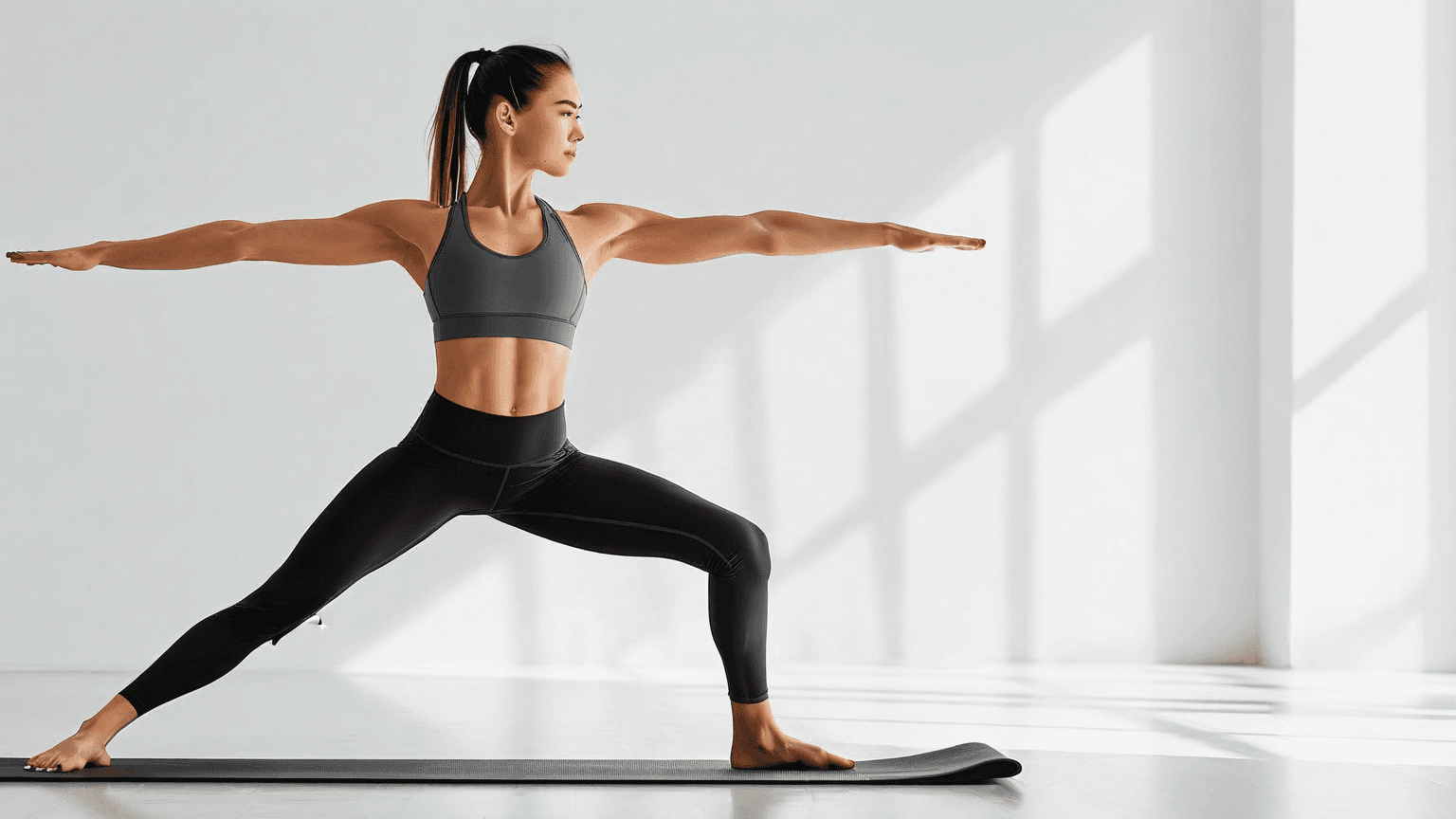
Flexibility and mobility work isn't just for dancers and yogis – it's essential for anyone who wants to move better, feel better, and perform better in all aspects of life. Poor mobility creates compensation patterns that lead to injury and limit your strength potential.
Strategic stretching routines, like posture-transforming bend stretches, can dramatically improve your alignment and reduce pain in just minutes per day. The key is targeting the right muscles with the right techniques at the right time in your routine.
Dynamic mobility work before workouts prepares your joints and muscles for movement, while static stretching afterward helps maintain and improve range of motion. This combination approach ensures you're building strength through full ranges of motion while preventing the stiffness that comes with intense training.
Breathing Techniques That Amplify Results
Most people completely underestimate the power of proper breathing during exercise. Your breath is not just about oxygen delivery – it's a tool for core activation, stress management, and performance enhancement that can take your workouts to the next level.
Deep diaphragmatic breathing techniques activate your parasympathetic nervous system, helping you recover faster between sets while simultaneously strengthening your core muscles. This dual benefit makes breathing exercises some of the most efficient training methods available.
Learning to coordinate your breath with movement patterns improves exercise efficiency and reduces fatigue. Whether you're lifting weights, doing bodyweight exercises, or practicing flexibility routines, proper breathing technique can increase your strength output and endurance significantly.
Creating Your Personalized Workout Plan
The best workout plan is the one you'll actually follow consistently. This means considering your schedule, preferences, fitness level, and goals when designing your routine. A perfect plan on paper is worthless if it doesn't fit your real life.
Start by assessing your current fitness level honestly. This includes not just strength and endurance, but also flexibility, balance, and any movement limitations or pain issues. Your workout plan should address weaknesses while building on strengths.
Effective programs typically include strength training 2-3 times per week, cardiovascular exercise most days, flexibility work daily, and specific targeted training like intercostal muscle workouts for enhanced core stability. The key is finding the right balance and progression for your individual needs.
Advanced Training Techniques and Methods
Once you've mastered the basics, advanced techniques can help you break through plateaus and achieve new levels of fitness. These methods should be added gradually and with proper form to avoid injury while maximizing results.
Compound movements that work multiple muscle groups simultaneously provide the biggest bang for your buck. Exercises like squats, deadlifts, and pull-ups recruit numerous muscles while improving functional strength that translates to real-world activities.
Specialized techniques like involuntary core activation through specific movement patterns can unlock strength you didn't know you had. These advanced methods often feel easier than traditional exercises while providing superior results.
Recovery and Regeneration Strategies
Recovery isn't the absence of training – it's an active process that determines how much you benefit from your workouts. Without proper recovery, even the best exercise programs fail to deliver results and can lead to burnout or injury.
Sleep is your most powerful recovery tool, with 7-9 hours of quality sleep being non-negotiable for serious fitness results. During sleep, your body releases growth hormone, repairs muscle tissue, and consolidates the neural adaptations that make you stronger.
Active recovery through gentle movement, stretching, and breathing exercises keeps blood flowing to healing tissues while preventing stiffness. This approach helps you feel better and perform better in your next workout session.
Measuring Progress and Staying Motivated
Progress in fitness isn't always visible on the scale or in the mirror. True progress includes improvements in strength, endurance, flexibility, balance, and how you feel throughout your daily activities. Tracking multiple metrics gives you a complete picture of your development.
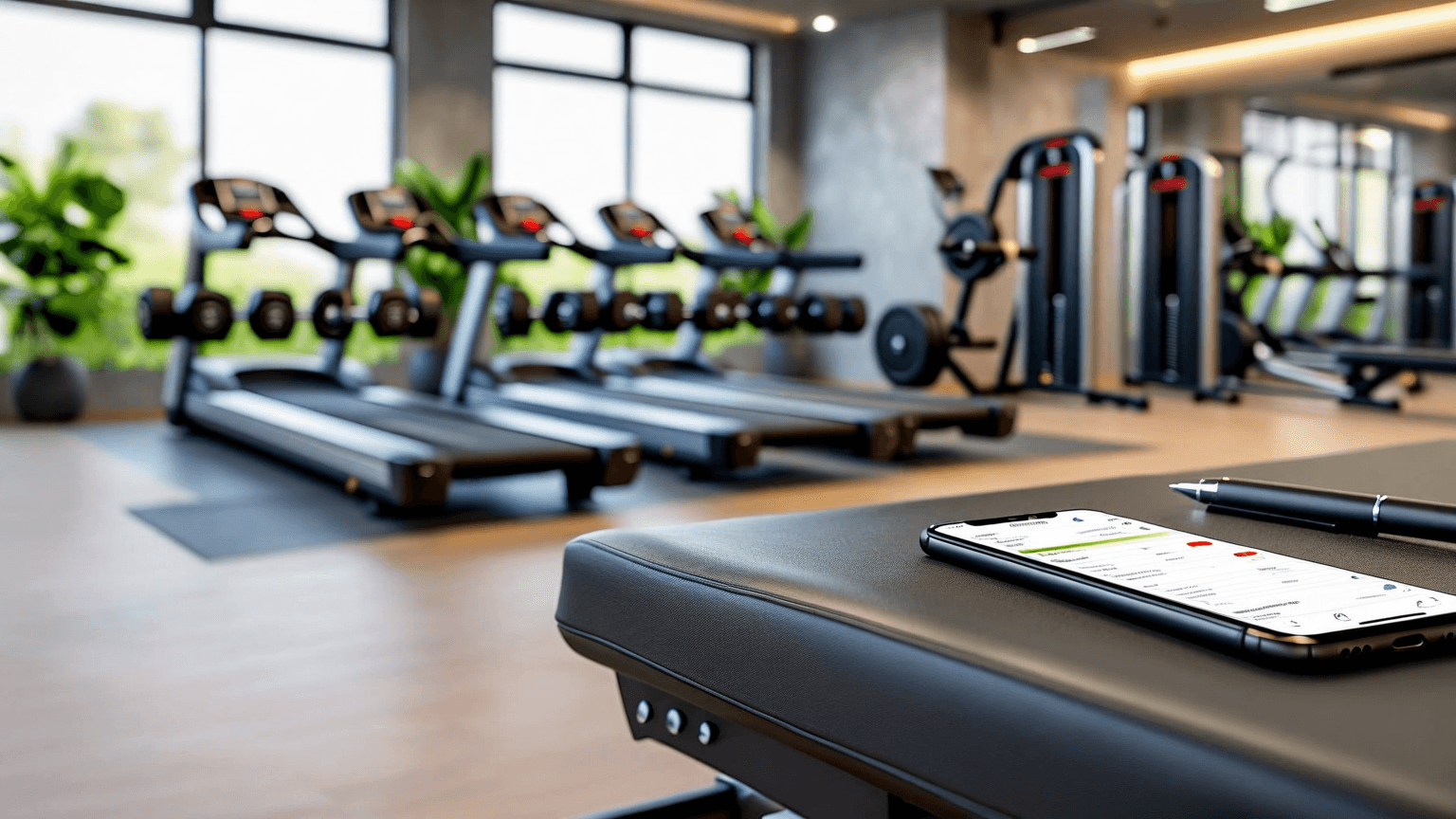
Keep detailed records of your workouts, including exercises, sets, reps, and how you felt during and after training. This data helps you identify patterns, celebrate improvements, and make informed adjustments to your program.
Set both short-term and long-term goals that excite and challenge you. Whether it's mastering a new exercise, improving your posture, or building the core strength to feel confident in any physical activity, having clear targets keeps you motivated through the inevitable ups and downs of your fitness journey.